

Key Cabinets & Electronic Key Cabinets
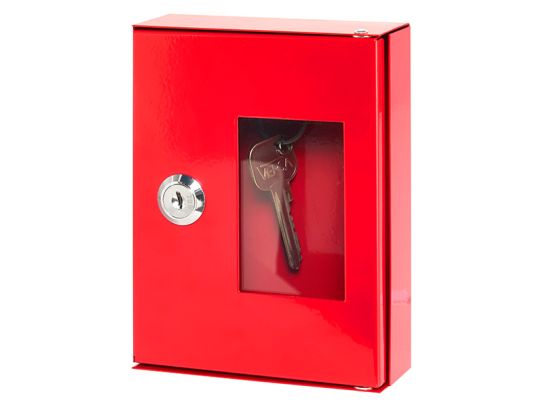
Compare key-locking and electronic key cabinets
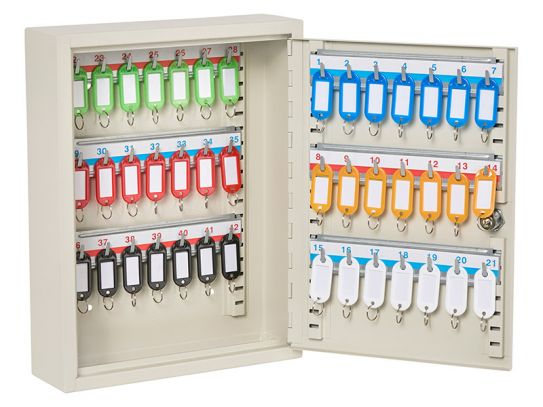
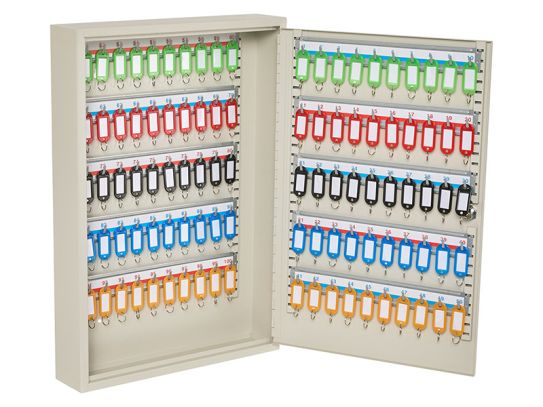
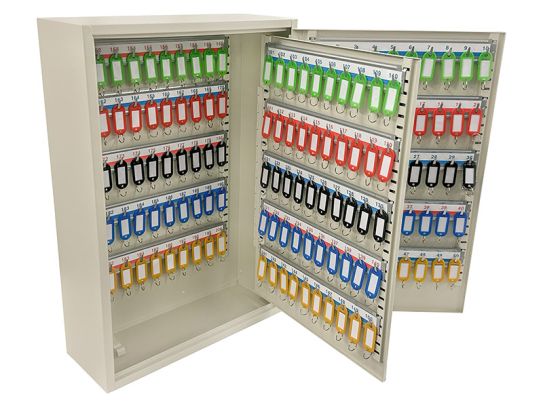
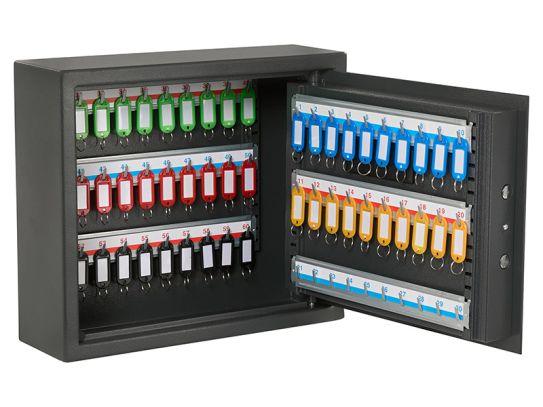
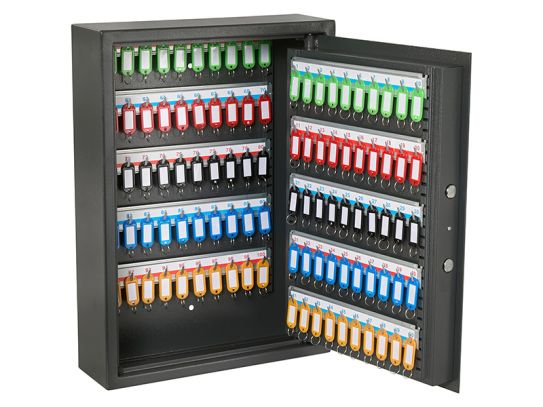
Key cabinets provide a dedicated place to organise workplace keys. For businesses managing many keys, they create a central location instead of relying on separate drawers, cupboards or desks. This range includes key-locking and electronic models with capacities for 42, 60, 100 or 200 keys.
Choose between a traditional cabinet key and electronic code access, then match the capacity and cabinet size to the number of keys and available wall space. The wall-mounted key cabinets in this range are available in several sizes for different workplace requirements.
Key-locking cabinets for 42, 100 or 200 keys
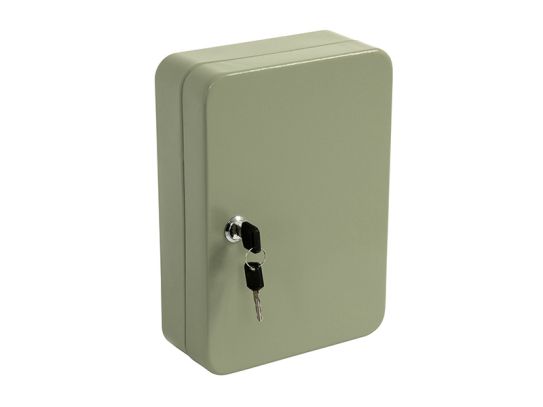
The key-locking range covers three capacities. The 42-key cabinet is the smallest, the 100-key cabinet offers a mid-range option, and the 200-key cabinet provides the highest capacity. Each model uses a physical key lock for cabinet access.
Choose according to the number of keys you need to organise, the available wall space and the internal layout shown on the product page. Compare the number and arrangement of key hooks when storing keys of different shapes or larger keyrings.
Electronic key cabinets for 60 or 100 keys
The electronic range offers code access in two capacities. The 60-key electronic cabinet is the smaller option, while the 100-key electronic cabinet provides more room for a larger key collection. The electronic lock, battery and override arrangements are specific to each model.
How to choose the right key cabinet capacity
Allow room for more keys
Count the keys you need to organise now and allow some room for future additions. A cabinet filled to capacity from the first day leaves little flexibility as workplace requirements change.
Consider hooks, fobs and keyrings
Consider the types of keys as well as the stated key capacity. Capacity is based on the available key hooks, but bulky fobs and large keyrings use more internal space than individual keys and may affect how comfortably the cabinet can be organised.
Key locks or electronic code access?
Managing a key lock
A cabinet with a key lock is a straightforward choice when a designated person or team can manage the cabinet key. Store spare keys separately rather than inside the locked cabinet.
Using an electronic lock
A cabinet with an electronic lock avoids using a cabinet key for routine entry. Code setting, battery and override arrangements are specific to the selected model and are explained on its product page.
Measure the available wall space
Compare the cabinet’s height, width and depth with the proposed location. Allow enough clearance for the door to open fully and for keys to be viewed, added and removed without obstruction.
Nearby doors, shelving, equipment and walkways may affect the available space. Use a fixing method suited to the wall construction and the installation information supplied for the selected cabinet.
Organise day-to-day key access
Use clear labels or numbered key hooks so keys can be identified and returned to the correct place. Where a separate key register is maintained, keep its references aligned with the cabinet labels.
A clear key management process should cover who can access the cabinet, how keys are issued and returned, and how missing keys are reported. The cabinet provides a central storage point, while a consistent process keeps the system useful.
Key cabinets and safes serve different purposes
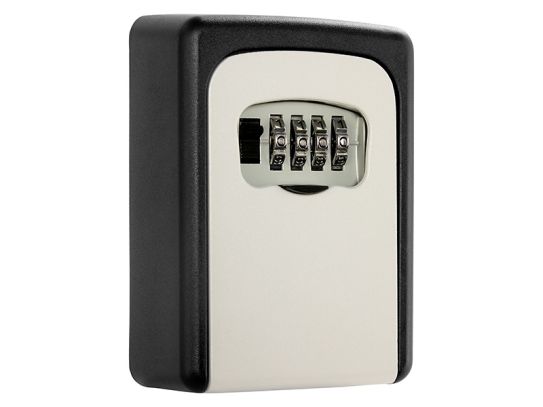
Key cabinets are intended to organise collections of workplace keys. For storing cash, documents or other valuables, browse the separate Safes and Vaults range. Outdoor key safes for one or a few access keys are also a different product type from multi-key cabinets.
Key cabinet FAQs
What key cabinet capacity should I choose?
The range includes 42, 60, 100 and 200-key capacities. Count the keys currently in use, allow room for additions and consider the space taken up by larger keyrings or fobs.
Do electronic key cabinets provide an audit trail?
Not necessarily. The electronic cabinets in this range provide code access, but audit trails, multiple user profiles, access cards and management software should only be expected where the individual product information specifically confirms them.
Are key cabinets fireproof or insurance rated?
These products should not be treated as fireproof or insurance rated unless the selected model has documentation confirming a tested classification. Metal construction and a locking door do not establish either rating or a particular level of security.
Can a key cabinet be installed outdoors?
Indoor and outdoor use should be confirmed for the selected model. Only install a cabinet outdoors when the product is specifically described as suitable for outdoor conditions. Otherwise, choose a purpose-made outdoor key safe or another product with documented weather resistance.