

Office Cupboards
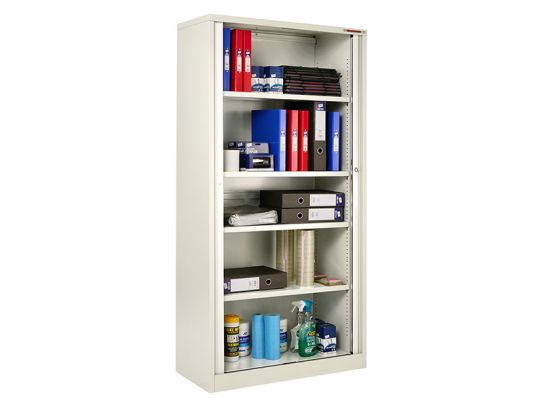
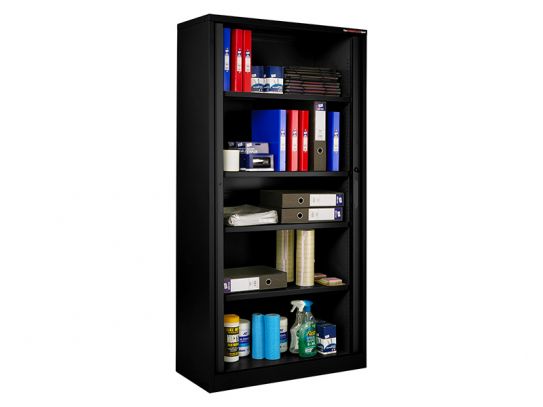
Compare hinged and tambour office cupboards
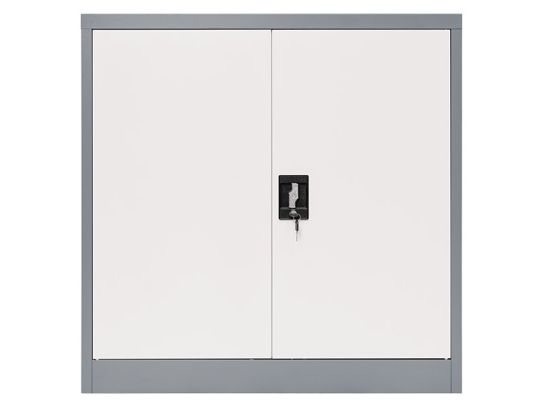
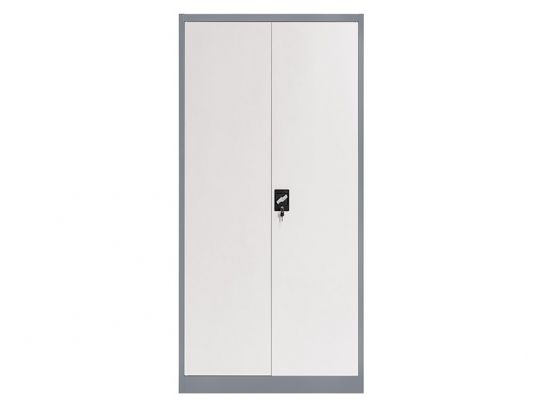
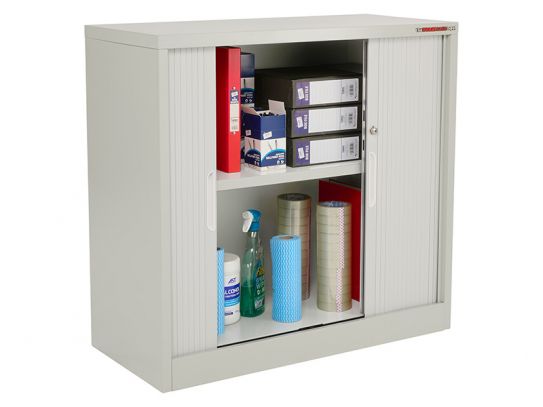
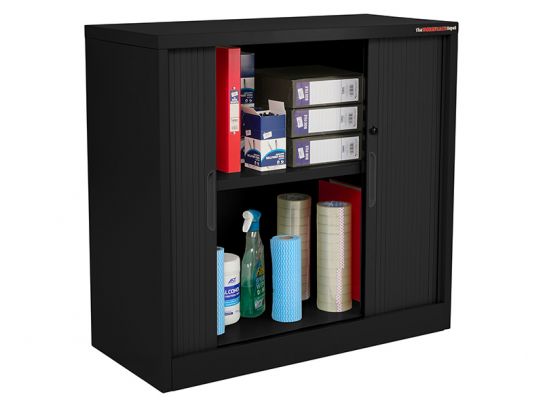
The range includes two grey hinged steel cupboards and a tambour cabinet family in compact and tall sizes, with grey or black finishes. Start with the space available, the items you need to store and how people will access the cupboard during the working day.
Hinged doors need clear space in front of the cabinet. Tambour doors slide into the sides instead of opening into the room, which can make them easier to position where outward door clearance is limited.
These office storage cabinets cover different layouts rather than one standard format. Compare the door style, overall dimensions, internal configuration and finish together so that the cupboard suits both the available office space and the items being stored.
Hinged office cupboards
The Office Stationery Cupboard is the more compact hinged model, while the Metal Office Cabinet provides a taller option. Both are grey. Compare their dimensions, shelf layouts and access requirements with the supplies, paperwork or equipment you plan to store.
Compact office storage
The shorter hinged cupboard provides a compact route for stationery and shared supplies. Check its footprint against the intended position and allow space in front for both doors to open without meeting a desk, chair or another piece of office furniture.
Tall metal storage
The taller metal cupboard uses more vertical space while retaining hinged doors. Compare its height and internal layout with the items you need to store, and make sure the proposed location provides practical access to the full cabinet.
Tambour cupboards
Tambour cupboards use sliding doors that retract into the cabinet body, so they do not require outward door clearance. The current range is available in compact and tall sizes with grey and black finishes.
Compare the tambour cupboard options by size and colour, then confirm the selected combination before ordering.
Compact tambour cabinets
A compact tambour cabinet combines the shorter format with sliding doors. It can be compared with the compact hinged cupboard where overall height and door movement both affect the choice of office storage.
Tall tambour cabinets
The tall tambour configuration provides another vertical storage option without an outward door swing. Grey and black finishes are available, allowing the selected cabinet to be considered alongside the surrounding office furniture.
Choose the right cupboard size
Measure the available height, width and depth, including skirting boards and nearby furniture. For hinged cupboards, allow enough room for the doors to open. Also check that the packaged cupboard can travel through the relevant doors, corridors, lifts or stairs on its way into position.
Check the room layout
Include desks, chairs, radiators, sockets and normal walking routes in the plan. A cupboard that fits the measured wall space may still be awkward to use if its doors or access area conflict with the rest of the workspace.
Plan the delivery route
Compare the packaged dimensions with the narrowest point between the delivery entrance and the intended position. Review any assembly or installation information for the selected product so the route and final location can be prepared before delivery.
Plan the internal storage
List what the cupboard needs to hold, such as stationery, paper, files, boxed supplies or small office equipment. Measure larger items and compare them with the usable internal space and shelf arrangement of the cupboard.
Shelf layouts differ between models and sizes. Choose the cupboard according to the items being stored rather than assuming that two cabinets with similar external dimensions provide the same internal arrangement.
Organise shared supplies
Group stationery and office materials by type, then estimate the shelf space required for each group. Labelled boxes or containers can help smaller items stay organised, while frequently used supplies can be placed where they are straightforward to reach.
Allow for files and larger items
Folders, paper packs, equipment and boxed materials have different shapes and storage requirements. Compare the largest items with the shelf widths and usable internal dimensions rather than relying on the external size of the cabinet alone.
Organise office storage cabinets
A practical office storage plan gives each cabinet and shelf a clear purpose. Decide how stationery, files, paper, equipment and shared materials will be divided across the available storage cabinets, then make sure the arrangement is easy to understand and maintain.
Give each storage cupboard a clear role
Use separate storage cupboards for clearly defined groups of items where possible. Keeping everyday office supplies apart from archived files or occasional-use equipment can make the contents easier to find without repeatedly moving other materials.
Group smaller office supplies
Boxes, trays or labelled containers can help organise pens, paper products and other small supplies within larger office storage cabinets. Plan the containers alongside the shelf dimensions so the internal storage space is used efficiently.
Review changing storage needs
Office storage requirements can change as teams, projects and room layouts develop. Review the current contents before adding another metal cabinet or rearranging the storage cupboards. The product range includes different sizes, configurations, colours and features, allowing the storage layout to be compared with the wider workspace.
Office cupboards and related storage
Office cupboards work well for general shared storage. For organised document storage, compare our filing cabinets. Under-desk drawers are better suited to personal items kept beside a workstation, while metal storage cabinets cover broader workplace, workshop and utility requirements.
Before ordering an office cupboard
Confirm the cupboard’s dimensions, door style, finish, shelf arrangement, lock details, assembly method and included components. Review the current price, availability and delivery information for the chosen model before completing the order.
Product features and accessories can vary across the collection. Use the specification for the exact model and configuration being purchased, particularly where a particular shelf arrangement, lock or installation method is required.
Office cupboard FAQs
What is a tambour cupboard?
A tambour cupboard has doors that slide into the sides of the cabinet instead of opening outwards. This reduces the door clearance needed in front of the cupboard.
Which cupboard style works where space is limited?
A compact cupboard reduces the overall footprint, while tambour doors avoid an outward door swing. Measure the available position and compare both factors before choosing.
Are all office cupboards lockable?
Lock arrangements and included keys can vary between models. If locking is important, confirm the details shown for the selected cupboard.
What is the difference between an office cupboard and a filing cabinet?
An office cupboard provides general storage for supplies, equipment and paperwork. A filing cabinet is arranged specifically for organised document storage.