

The hospitality industry employs around 3.5 million people in the UK and contributes an estimated £93 billion to the economy every year. The Health and Safety Executive recorded 124 work-related fatalities across Great Britain in 2024/25.
For a sector defined by wet floors, heavy lifting, high-temperature equipment, and hazardous cleaning chemicals, that context matters. What's less obvious is that the vast majority of workplace injuries are preventable.
Essential Health and Safety Equipment for Catering and Hospitality
Before diving into the detail, here's a quick reference to the key equipment most catering and hospitality businesses need in place. We'll cover the why throughout the guide below.
- Hazardous storage cabinets for COSHH-compliant chemical storage, separate from food areas
- Hygienic kitchen shelving for food-safe storage at the correct working height
- Catering trolleys to reduce manual carrying of heavy loads between areas
- First aid kits to meet your legal first aid provision requirements
- Safety signs and labels including wet floor signs for slip hazard management
Everything is available with free next-day delivery on orders placed before 3pm. Browse the full health and safety range to see what applies to your premises.
Health and Safety Law in Catering and Hospitality
Catering and hospitality businesses must comply with both Food Safety Legislation and General Workplace Health and Safety Law. These aren't separate concerns: they overlap constantly in a commercial kitchen or hotel environment, and both carry serious consequences if ignored.
Failure to follow food safety and health regulations can lead to heavy fines, business closure, or criminal prosecution.
The Health and Safety Executive (HSE) enforces laws that protect employees and guests from workplace hazards across all UK nations, including England, Scotland, Wales and Northern Ireland.
The Health and Safety at Work Act 1974
This is your foundation. The Act places a legal obligation on every employer to ensure, so far as is reasonably practicable, the health, safety and welfare of their employees.
Critically, it also requires employers to provide information, instruction, and training to ensure employee safety. That duty extends to all catering and hospitality workers, whether full-time, part-time, or temporary.
Employers in the hospitality industry have both legal and moral duties to protect employees, customers, and anyone else affected by their operations. That includes contractors, delivery drivers, and visitors to your premises.
The Management of Health and Safety at Work Regulations 1999
These regulations mandate that every employer conducts written risk assessments to identify workplace hazards and implement appropriate control measures to minimise potential harm.
In catering and hospitality, risk assessments should cover at minimum: slips and trips, manual handling, COSHH substances, fire safety, food hygiene, and all equipment in regular use.
The Workplace (Health, Safety and Welfare) Regulations 1992
These set baseline standards for the physical working environment: flooring, temperature, ventilation, lighting, and sanitation.
Maintaining cleanliness standards in food preparation areas is a direct requirement under these regulations. Failure to do so creates risks including foodborne illnesses and pest infestations. Floors must be kept in good condition, and where wet or contaminated surfaces are likely, appropriate controls must be in place.
Hazards in the Hospitality Industry: What You're Up Against
Hospitality environments carry risks that simply don't exist in most other workplaces. Slips, burns, and heavy lifting are daily realities, as are chemical exposure, fire, electrical faults, and food contamination.
According to UK kitchen accident statistics, around 64,000 non-fatal workplace injuries were self-reported in the accommodation and food services sector in 2024/25. Under RIDDOR, there were 4,233 formal reports in 2023/24, a concerning rise in reported injuries up 5% year-on-year and 13% above 2021/22 levels.
Health and safety compliance in hospitality is critical. Businesses must enforce strict guidelines and conduct regular health and safety checks to ensure the safety of both employees and customers.
Food Safety and Hygiene: Your Legal Foundation
The Food Safety Act 1990 and Food Business Operators
The Food Safety Act 1990 provides the legal framework for all UK food legislation. It makes it an offence to serve food that is harmful to health or of inferior quality, and it sets out the responsibilities of food business operators to ensure that food handlers receive training on food hygiene and safety appropriate to their work activities.
Food businesses are legally required to ensure that all food served is safe, correctly described, and traceable. This applies to every business that handles, prepares, or sells food: from fine dining restaurants to workplace canteens to hotel breakfast services.
HACCP: The System Every Food Business Must Operate
All hospitality businesses must operate a food safety management system based on Hazard Analysis Critical Control Point (HACCP) principles. Food must be handled, stored, and prepared hygienically, and businesses must implement this system regardless of their size.
HACCP requires you to:
- Identify the points in your food preparation process where hazards (biological, chemical, or physical) could occur
- Put controls in place to prevent them
- Monitor those controls consistently and document the results
In practice, this means having documented procedures for temperature control, cleaning schedules, allergen management, and staff hygiene that your team follow every day.
Food Hygiene: The 4 Cs Every Catering Business Must Follow
Foodborne illnesses can be prevented by adhering to core food hygiene principles. The Food Standards Agency summarises these as the 4 Cs of Food Hygiene: Cleaning, Cooking, Chilling, and Cross-contamination. These are essential for food safety management in any catering or hospitality setting.
Cleaning means maintaining rigorous hygiene across all surfaces, equipment, and utensils that come into contact with food, including the hands of anyone who handles or prepares food. Maintaining equipment and premises is a critical employer responsibility: all kitchen equipment must be kept safe and in good working order to prevent risks including contamination and foodborne illness.
Cooking means ensuring food reaches the correct internal temperature to destroy harmful bacteria. Core temperatures for poultry, pork, and reheated dishes should reach at least 75°C (70°C in Scotland), verified with a probe thermometer.
Chilling means storing perishable food at the correct temperature: refrigerators at or below 5°C, and freezers at -18°C or below. The temperature danger zone (8°C to 63°C) is where food spoilage and illness risk accelerate most rapidly.
Cross-contamination prevention means keeping raw and ready-to-eat foods physically separated at every stage: during storage, preparation, and service. This includes colour-coded chopping boards and knives, dedicated storage areas, and strict handwashing protocols between handling different food types.
Cross-Contamination: One of the Most Common Causes of Food Poisoning
According to the Food Standards Agency, cross-contamination is one of the most common causes of food poisoning in the hospitality sector. It occurs when harmful bacteria or allergens transfer from one surface, food, or person to another. In a busy kitchen, the opportunities for this to happen are constant.
Direct cross-contamination happens when raw meat, poultry, or fish comes into contact with ready-to-eat food. Indirect contamination occurs via hands, chopping boards, knives, or cloths that haven't been properly cleaned between tasks. Both are equally dangerous and equally preventable.
Food Allergens and the Law
Compliance with allergen laws is a legal requirement. UK allergen regulations require food businesses to provide accurate information about the 14 major allergens, including gluten, milk, eggs, nuts, and shellfish, and to implement strict controls to prevent cross-contamination for customers with allergies.
Providing inaccurate allergen information, or failing to prevent cross-contamination during preparation, exposes your business to serious legal consequences. More importantly, it poses a genuine risk to customers' lives.
Food allergens must be treated as a food safety issue, not just a customer service one. That means dedicated preparation zones, clearly labelled storage, and staff who understand the difference between a preference and an allergy.
Hazardous Chemicals in Hospitality: COSHH Compliance
The Hazardous Substances Already in Your Kitchen
Most catering businesses routinely use more than 20 hazardous chemicals: dishwasher detergents, rinse aids, oven degreasers, drain unblockers, bleach, sanitisers, descalers, and toilet cleaners. Every one of these falls under the Control of Substances Hazardous to Health (COSHH) Regulations 2002.
The regulations require employers to:
- Assess the risk from each hazardous substance
- Prevent or adequately control exposure
- Provide training on handling hazardous substances safely, including the use of personal protective equipment (PPE)
The HSE's COSHH guidance for catering is your reference point for compliance.
Safe Storage and COSHH Procedures
Hazardous substances must be stored in a locked, designated area completely separate from food, food equipment, and preparation surfaces. Products must remain in their original labelled containers. Decanting into unmarked bottles is a COSHH violation and a serious safety risk.
Safety Data Sheets must be accessible on site for every product in use. Written COSHH assessments must be kept and reviewed whenever products or processes change.
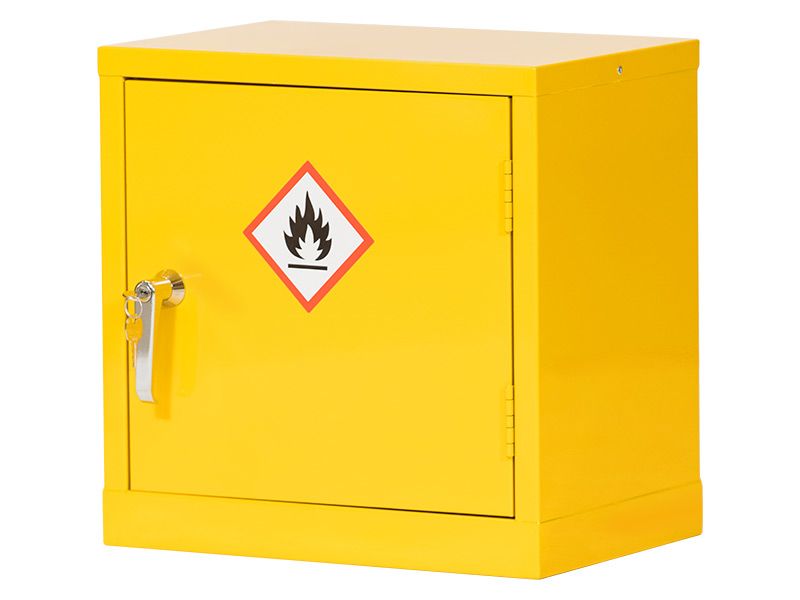
Dedicated hazardous storage cabinets are the practical solution: lockable, clearly labelled, and designed to keep incompatible substances safely separated. They also make it easy to demonstrate compliance during an inspection.
The HSE's guidance on safe use of cleaning substances in hospitality covers PPE requirements in plain language: nitrile gloves, chemical-resistant aprons, and eye protection where splashing is a risk.
Electrical Hazards in Hospitality
Electrical hazards are prevalent in hospitality settings due to the sheer volume of electrical equipment in use: commercial ovens, dishwashers, refrigeration units, and extraction fans.
The Electricity at Work Regulations 1989 require all electrical equipment to be maintained in a safe condition and subject to regular inspection. In commercial kitchens, where equipment is used intensively and exposed to water, steam, and grease, electrical safety checks are non-negotiable.
Manual Handling in Catering and Hospitality
Manual handling injuries are a major concern across the hospitality industry. Over 30% of injuries reported to the HSE from the food and drink sector are manual handling related, around 1,700 acute injuries per year.
In a catering setting, the culprits are predictable: unloading deliveries, carrying full stockpots, shifting linen trolleys, and moving heavy equipment during cleaning.
The Manual Handling Operations Regulations 1992 require employers to:
- Avoid manual handling that carries a risk of injury wherever reasonably practicable
- Assess any unavoidable manual handling tasks
- Reduce risk to the lowest level reasonably achievable
Training in safe lifting techniques is essential to prevent musculoskeletal injuries, and that training must be provided to all employees, not just those in obviously physical roles.
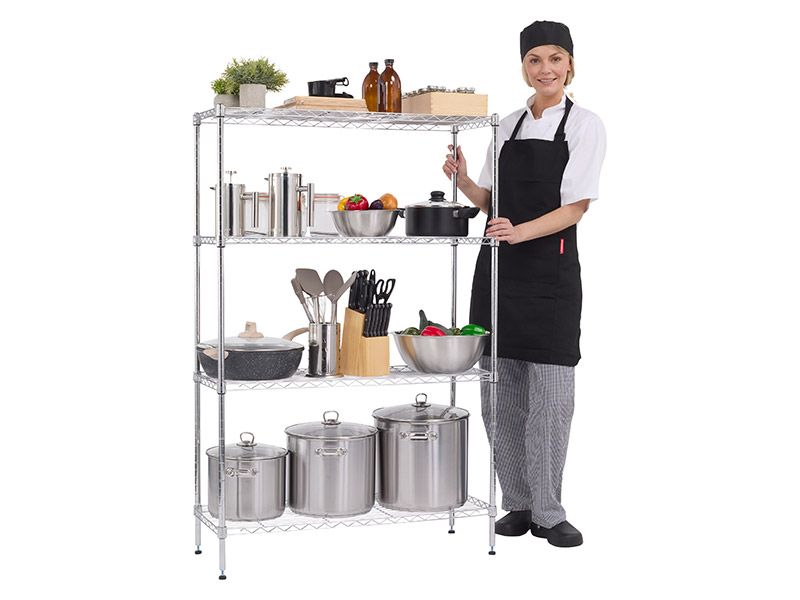
Heavy items should never be stored at floor level or above shoulder height. Hygienic kitchen shelving designed for food environments makes it easier to keep items at the right height: food-safe materials, adjustable heights, easy to clean.
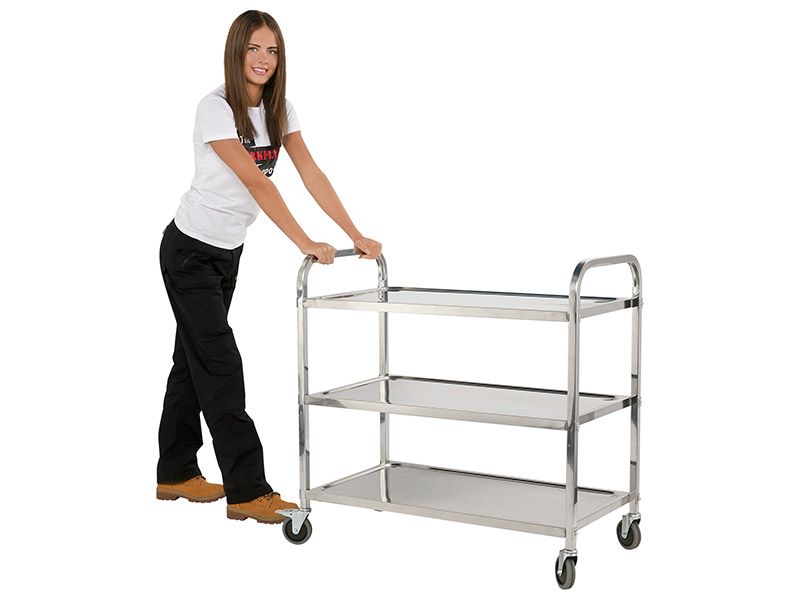
Using catering trolleys for moving heavy loads between areas reduces the need for manual carrying and cuts the risk of trips and dropped loads.
The HSE's musculoskeletal disorder guidance for hospitality also highlights upper limb problems from repetitive and awkward postures. This is a slower-building risk that is easy to overlook until someone needs extended time off.
Slips, Trips and Falls: Still the Number One Hazard
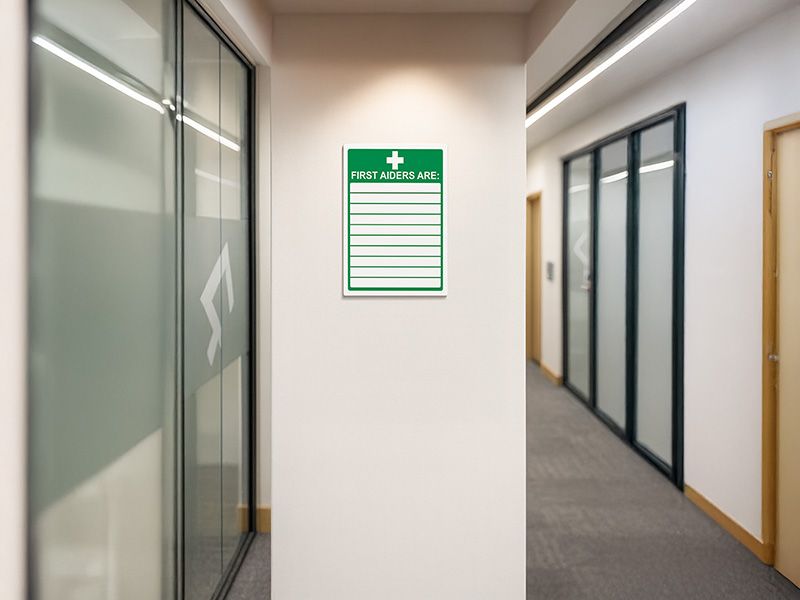
Slips, trips, and falls are the most common hazard in the hospitality industry, with 1,486 RIDDOR incidents from slips and trips alone in 2023/24. They often result from poor housekeeping: leaving items in walkways, failing to clean up spills promptly, or allowing floors to become contaminated with grease or water during service.
The HSE's guidance on slips and trips in catering recommends a layered approach:
- Flooring that maintains slip resistance when wet
- Prompt spill response and clean-up protocols
- Effective drainage in wet kitchen areas
- Suitable non-slip footwear for all kitchen staff
- Visible safety signs and labels deployed immediately when floors are wet or being cleaned
Anti-fatigue drainage mats with R11 slip resistance are the right specification for wet kitchen environments. Beyond preventing falls, research cited by the HSE shows that anti-fatigue matting measurably reduces lower back pain and leg fatigue in staff who are on their feet all day.
Fire Safety in Hospitality: Legal Duties and Practical Measures
The hospitality industry faces significant fire risk, with thousands of fire incidents recorded annually in UK food service and accommodation premises. The Regulatory Reform (Fire Safety) Order 2005 requires every commercial premises to:
- Carry out a regular fire risk assessment
- Maintain clear escape routes
- Install adequate fire detection and alarm systems
- Ensure appropriate firefighting equipment is in place
In commercial kitchens, grease and oil accumulation in extraction systems and ductwork is a specific and serious hazard. The London Fire Brigade's fire safety guidance for restaurants and takeaways recommends professional cleaning of extraction systems quarterly in high-volume kitchens, and at least twice a year elsewhere.
CO2 or dry powder extinguishers and a fire blanket are the minimum requirement for kitchen areas. These must be accessible, maintained, and your team must know how to use them.
Health and Safety Training: A Legal Requirement for Hospitality Workers
Health and safety training is a legal requirement under the Health and Safety at Work Act 1974, which mandates that employers provide information, instruction, and training to ensure employee safety. This requirement also applies to food hygiene training under the Food Safety Act 1990, which requires food handlers to receive training appropriate to their work activities.
Training must be provided to all employees in the hospitality sector: full-time, part-time, and temporary workers alike. Ongoing training is equally important. As procedures, equipment, or legal requirements change, staff need to be kept informed to remain compliant.
In practice, your training programme should cover:
- Induction training on workplace hazards from day one
- Food hygiene training appropriate to each role
- COSHH training before staff handle any hazardous chemicals
- Manual handling training before staff are asked to lift or move heavy loads
- Regular refreshers to reflect any changes in safety procedures or regulations
Providing training isn't just about compliance. It's how you promote a safer working environment where employees feel confident in handling food, dealing with hazards, and protecting customers and colleagues alike.
Frequently Asked Questions
Is a risk assessment legally required for all catering and hospitality businesses?
Yes. Under the Management of Health and Safety at Work Regulations 1999, every employer must carry out a written risk assessment. In catering and hospitality, this should cover slips and trips, manual handling, COSHH substances, fire safety, food hygiene risks, and all equipment regularly in use.
What are the 4 Cs of food safety and hygiene?
The 4 Cs are Cleaning, Cooking, Chilling, and Cross-contamination prevention. These four principles underpin the Food Standards Agency's guidance on preventing food poisoning in food businesses and form the practical basis of good food hygiene in any catering or hospitality environment.
What COSHH records does a hospitality business need to keep?
You need a written COSHH assessment for each hazardous substance in use, plus a Safety Data Sheet for every product on site. These must be accessible to staff and reviewed whenever you introduce a new product or change your processes.
Do temporary and part-time catering staff have the same H&S protections as full-time employees?
Yes. The Health and Safety at Work Act 1974 applies to all workers regardless of contract type. Temporary, seasonal, and zero-hours staff are entitled to the same protections, and your duty to train and inform them applies from their first day.
What's the minimum first aid provision for a catering business?
At minimum, a stocked first aid kit and a nominated appointed person responsible for first aid arrangements. Given the frequency of burns, scalds, and cuts in commercial kitchens, the HSE recommends considering a trained first aider even for smaller teams.
What happens if a catering business fails to comply with food safety regulations?
Failure to comply with food safety and health and safety law can result in heavy fines, enforced closure, or criminal prosecution. Environmental Health Officers have the authority to issue improvement notices, prohibition orders, and, in serious cases, to close a food business immediately.
Build Safer Standards Into Every Part of Your Operation
Health and safety in catering and hospitality covers a wider range of legal duties than many businesses realise: from food safety and hygiene standards through to COSHH compliance, manual handling procedures, fire safety obligations, and staff training requirements.
The businesses that get it right don't treat these as separate checklists. They build safer working practices into how their kitchens and hospitality premises operate every day.
If you need to equip your team or premises, our health and safety range covers everything from first aid kits and safety signs and labels to hazardous storage cabinets and catering trolleys. Free next-day delivery is available on orders placed before 3pm.
Posted in Health and Safety