

Workbenches and Workstations
Maximise your productivity and efficiency with our versatile and adjustable workbenches Made from heavy-duty materials and constructed with precision, these workbenches are designed to withstand even the most demanding projects.
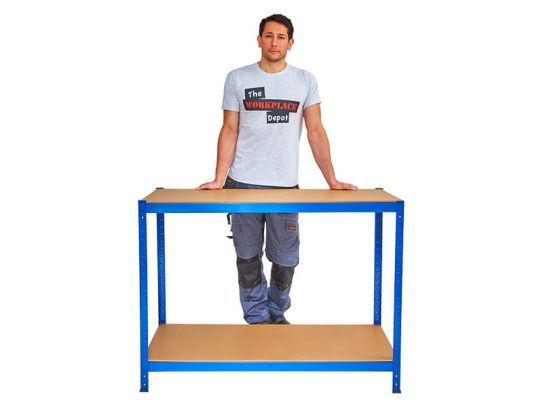
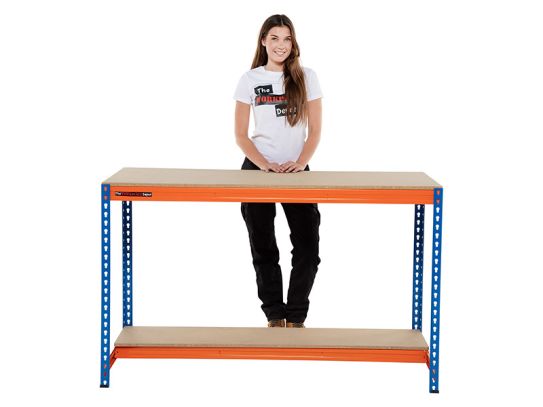
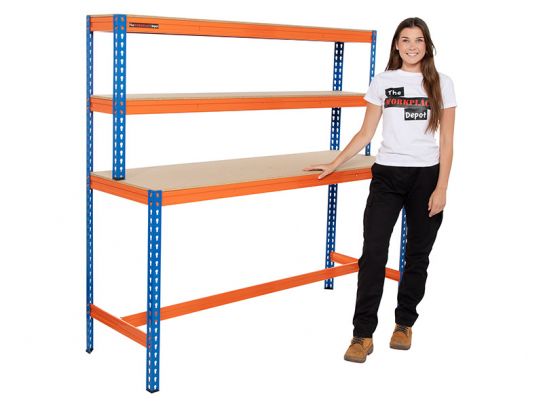
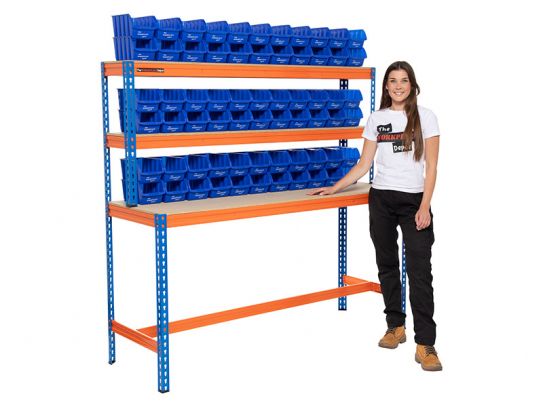
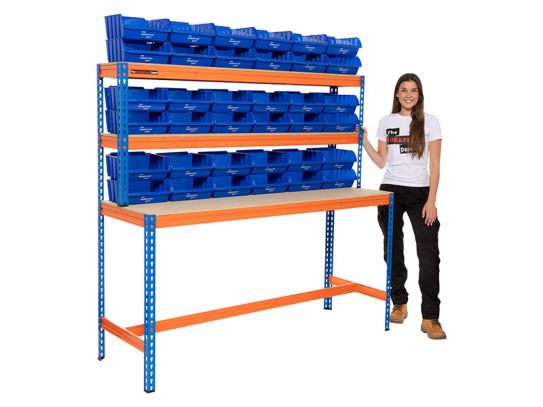
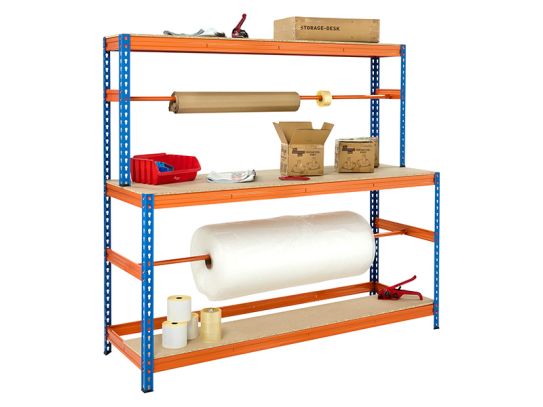
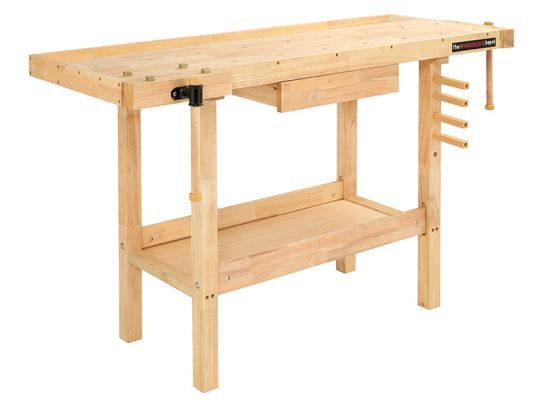
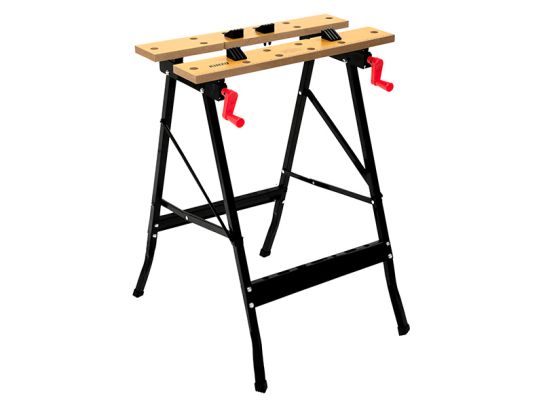
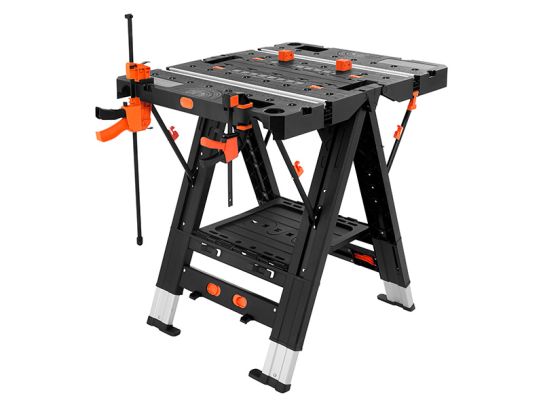
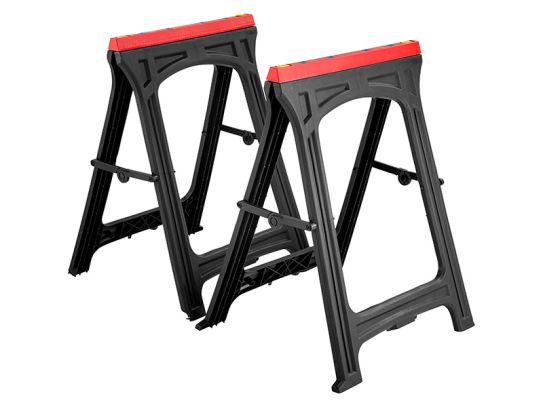
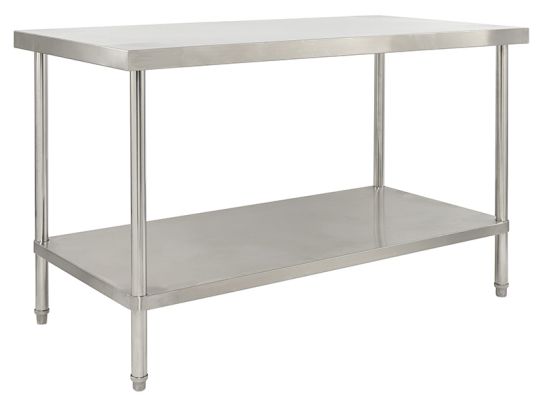
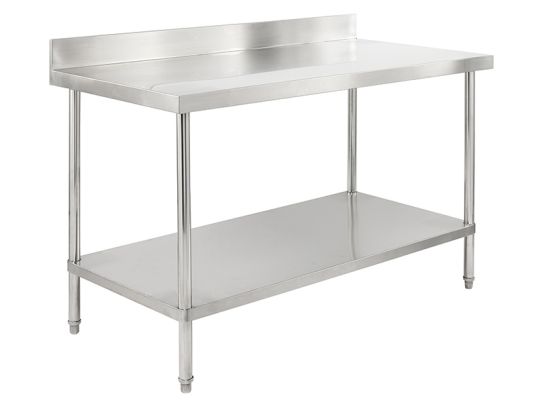
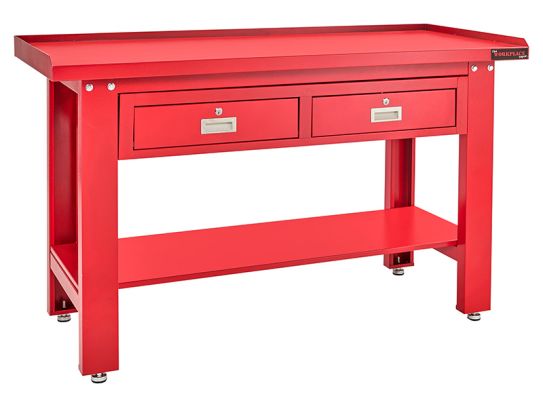
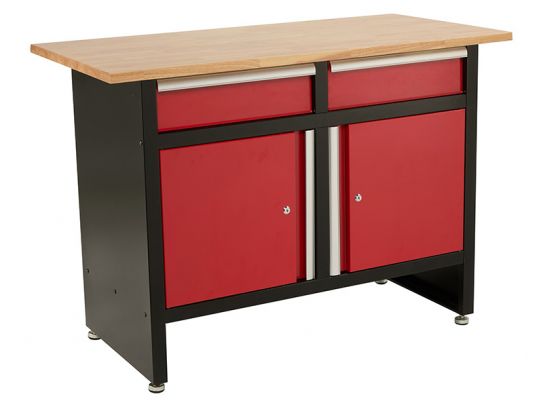
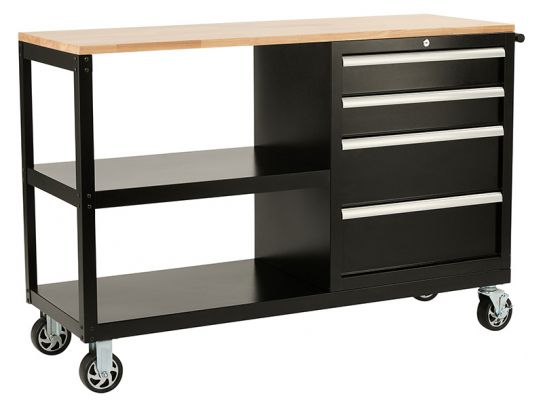
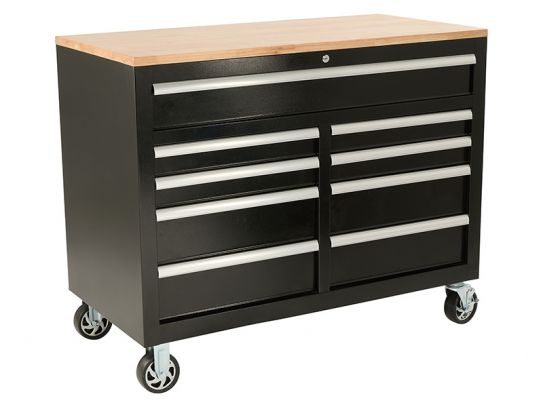
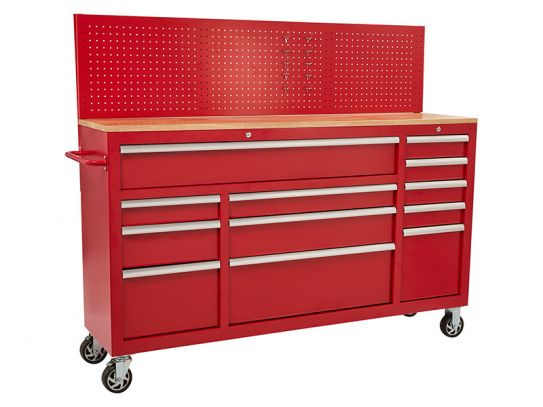
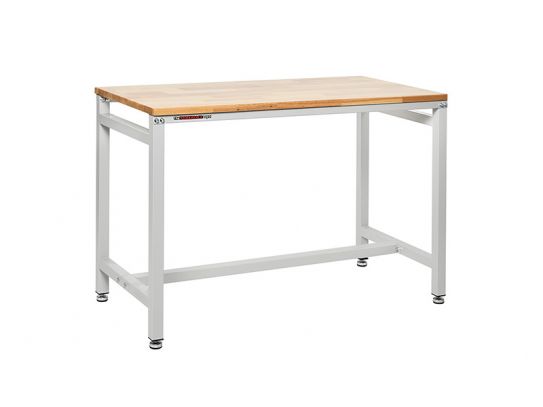
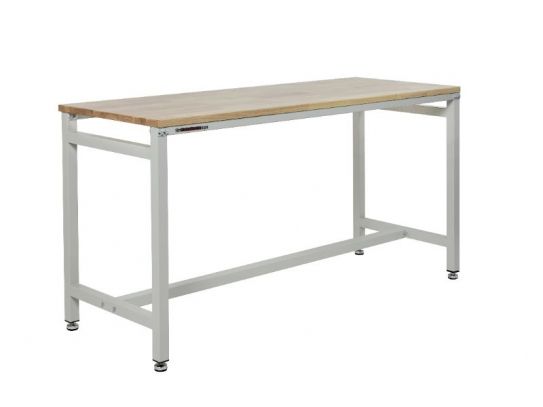
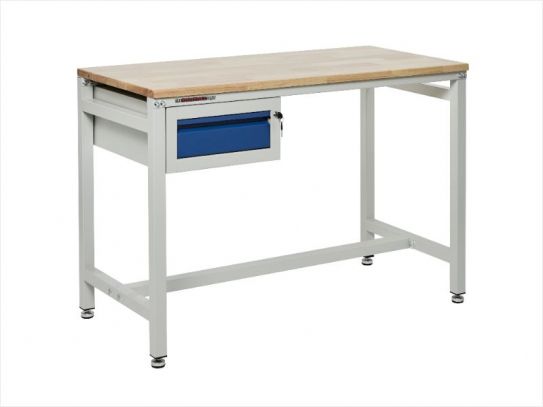
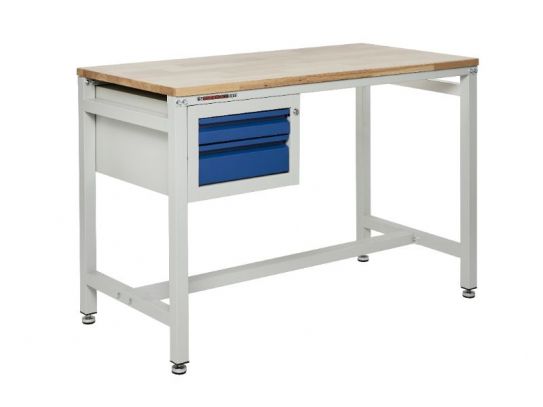
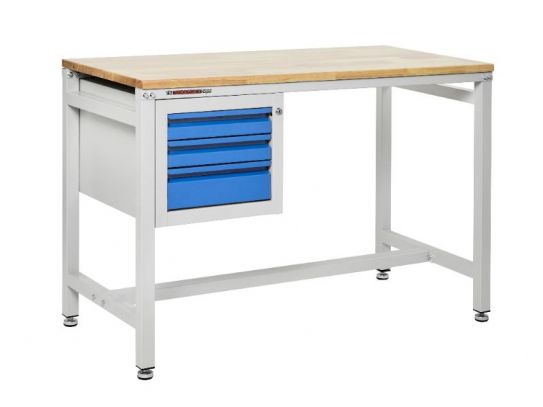
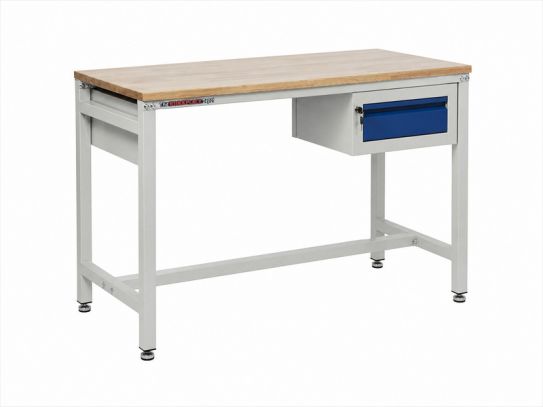
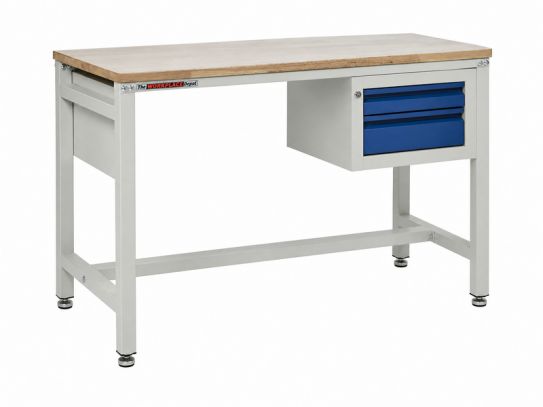
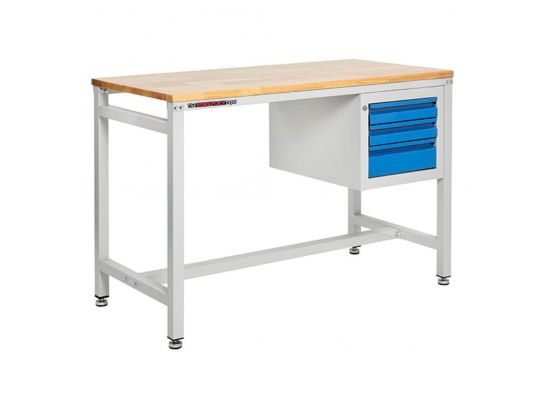
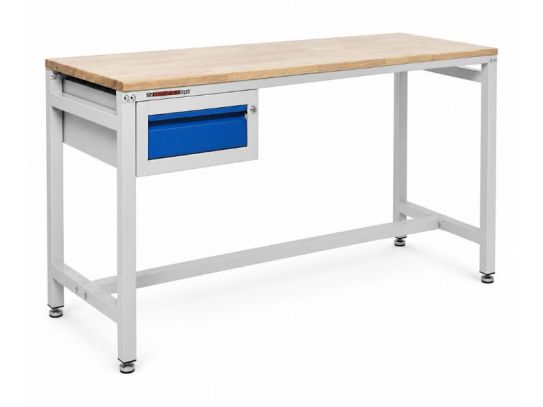
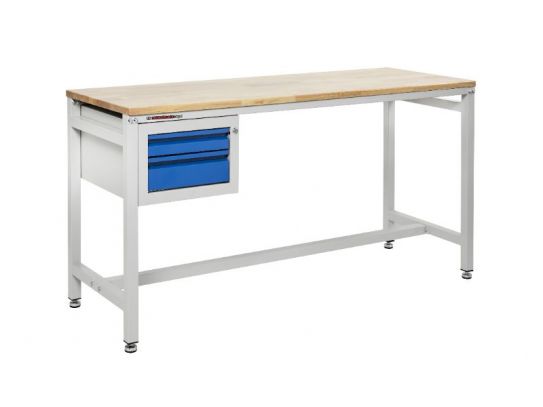
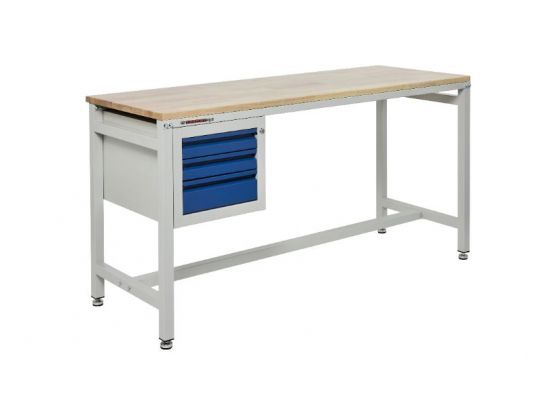
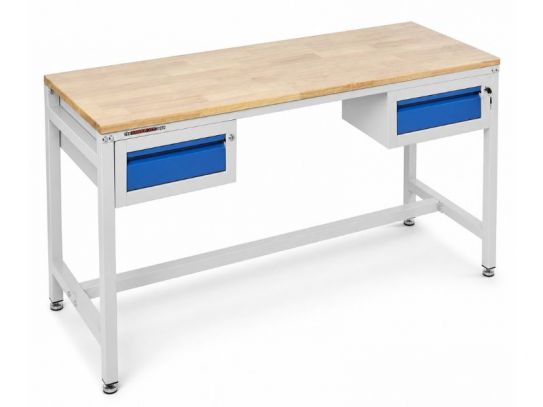
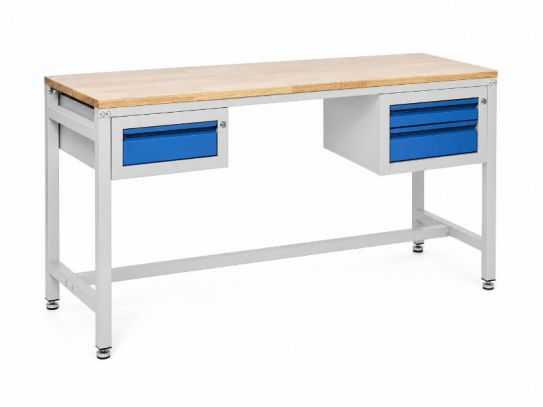
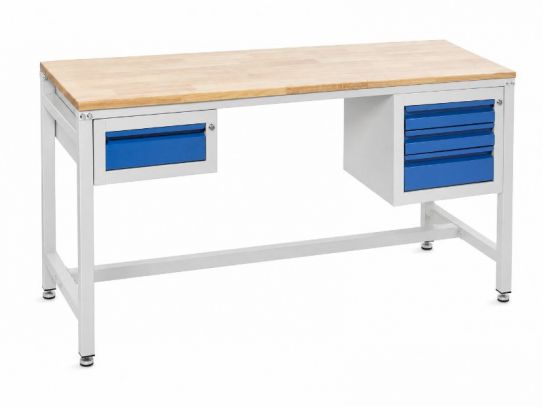
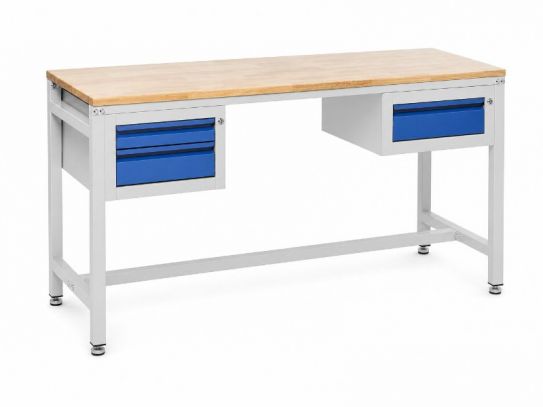
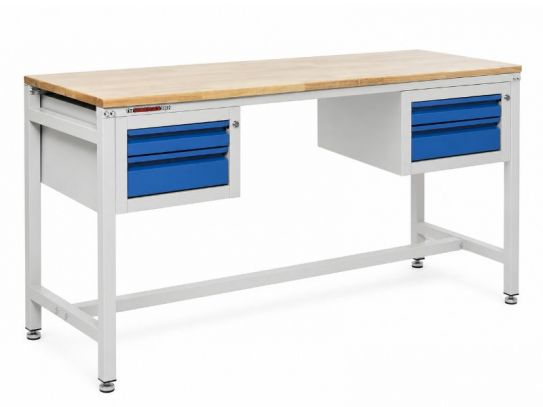
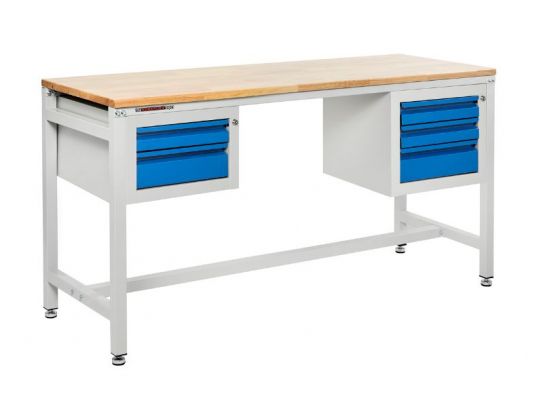
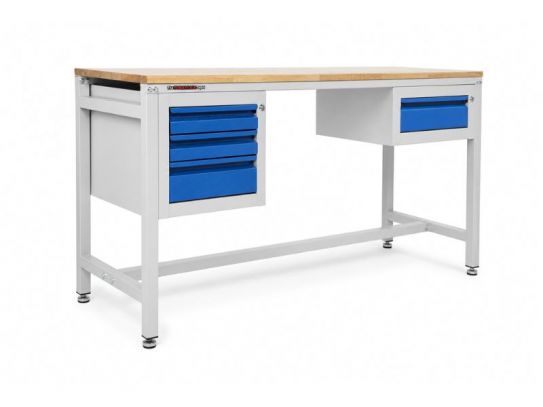
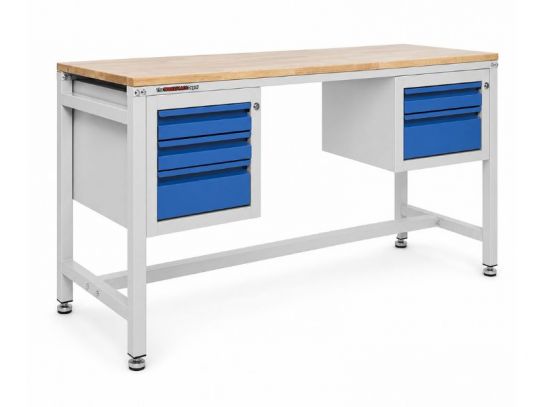
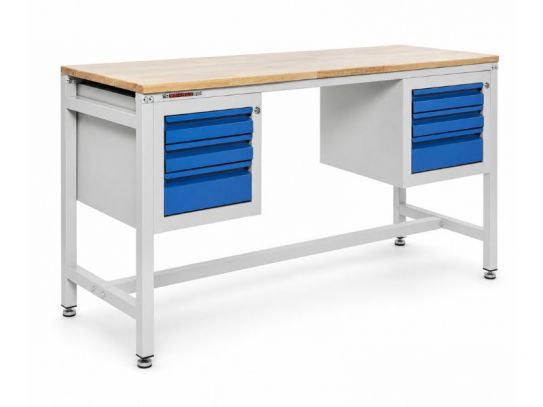
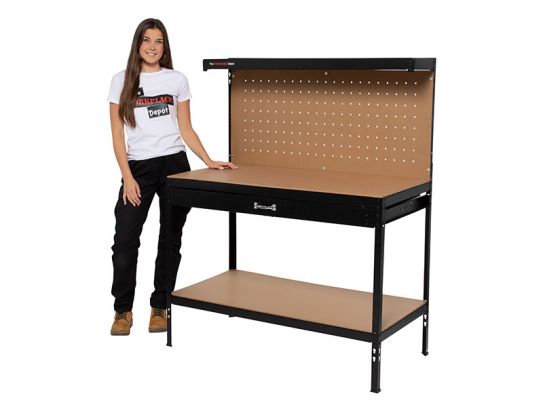
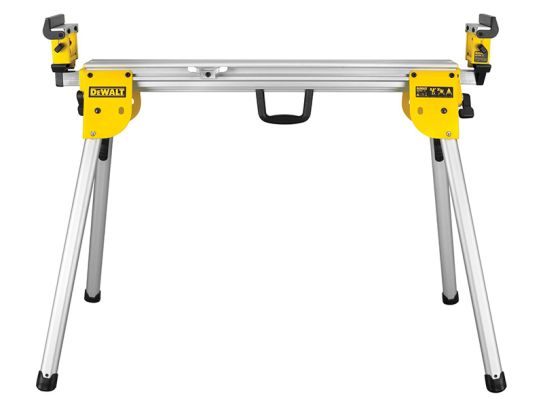
Maximise your productivity and efficiency with our range of workbenches and workstations. Manufactured from heavy duty powder coated steel, solid wood, or MDF, and constructed with precision for strength and durability, our workbenches are ideal for workshops, garages, and industrial environments.
Models are available fully assembled or flat-packed, with adjustable feet as standard on many units. Free next-day delivery is available across our full range.
The Perfect Addition to Any Workshop or Garage
Are you ready to take your DIY projects to the next level? Our workbenches are the perfect addition to any workshop or garage. With their sturdy and durable construction, these workbenches provide a stable surface for working on a variety of tasks, from woodworking to metalworking to tinkering with small mechanical parts.
Manufactured from high-quality materials and built for years of hard use, our range includes everything from compact home benches to heavy duty workbenches suitable for the most demanding industrial environments.
Whether you are a professional tradesperson or a hobbyist, browse our garage workbench, steel workbench, and wooden workbench options to find the right fit for your workspace.
What Are Workbenches?
A workbench is a sturdy table or platform used by craftsmen or workers to perform tasks such as woodworking, metalworking, or electronics assembly.
Workbenches provide a stable surface for securing materials and organising tools, and are typically manufactured from steel, wood, or MDF. They often include features such as height adjustable legs, built-in storage, and vises, clamps, or dog holes for workholding.
Stability is a key feature of any workbench, preventing wobbling during tasks and ensuring accuracy and safety. Workbenches are used in a wide variety of settings, from industrial workshops to home garages and sheds.
What Are Some Common Uses for Workbenches?
Workbenches are commonly used in a variety of settings, including workshops, garages, and sheds. Some common uses for workbenches include:
Woodworking: Workbenches are an essential tool for woodworkers, providing a stable and sturdy surface for cutting, shaping, and finishing wood. Many woodworking workbenches are equipped with vises and clamps for holding materials in place, as well as built-in storage for tools and other supplies.
Metalworking: Workbenches are also used by metalworkers for tasks such as welding, cutting, and grinding metal. Metalworking workbenches are often sturdier and more heavy-duty than woodworking workbenches, and may have features such as magnetised surfaces or built-in fume extractors.
Electronics assembly: Workbenches are also used in the electronics industry for tasks such as soldering, circuit building, and component testing. Electronics workbenches are often equipped with features such as anti-static surfaces, adjustable lighting, and built-in test equipment.
Home repair and DIY projects: Many people also use workbenches in their home garages or sheds for tasks such as painting, automotive repair, and general DIY projects. Home workbenches are often more compact and portable than industrial workbenches, and may have features such as fold-down tops and built-in tool storage.
What Are the Different Types of Workbench?
There are many different types of workbench, designed for different uses and settings. Some common types include:
Heavy duty workbench: Built for strength and durability in industrial and manufacturing environments. Heavy duty workbenches are manufactured from high-quality steel and can support loads up to 1,000 kg, while super heavy duty models support up to 1,500 kg. Medium duty workbenches support up to 500 kg UDL, making them suitable for lighter commercial use.
Height adjustable workbench: A workbench that can be adjusted to different heights to improve ergonomics for users. Manual hydraulic and electric hydraulic models typically adjust height by up to 300mm and can support up to 600 kg. Suitable for both standing and seated tasks.
Mobile workbench: A rolling workbench that combines strength and mobility for dynamic workspaces, allowing projects to be moved around the workshop easily. Mobile workbenches often include secure storage options such as drawers and cabinets to enhance flexibility compared to stationary workbenches.
Home workbench: A compact and portable workbench for use in home garages and sheds. Often made of lightweight materials and may have features such as fold-down tops and built-in tool storage.
Woodworking workbench: A sturdy and functional workbench designed specifically for woodworking tasks. It typically has a solid wood top, durable beech or maple surfaces being ideal for the purpose, a sturdy base, and built-in vises and clamps. Some models also have built-in drawers or cabinets for storing tools and supplies.
Metalworking workbench: Similar to a woodworking workbench but typically sturdier and more heavy-duty. Designed for tasks such as welding, cutting, and grinding metal, and may include magnetised surfaces or built-in fume extractors.
Electronics workbench: A specialised workbench for tasks such as soldering, circuit building, and component testing. Often features an anti-static (ESD) surface, adjustable lighting, and built-in test equipment to protect sensitive electronic components from static damage.
Heavy Duty Workbench
Heavy duty workbenches are built for strength and durability in the most demanding industrial and manufacturing environments. Manufactured from high-quality powder coated steel frames with solid work surfaces, heavy duty workbenches are designed to withstand years of continuous use without compromising on stability or load-bearing capacity. Our range includes:
Medium duty: Up to 500 kg UDL, ideal for lighter commercial and workshop use.
Heavy duty: Up to 1,000 kg capacity, suitable for industrial workshop use and heavy manufacturing work.
Super heavy duty: Up to 1,500 kg capacity, designed for the most demanding applications.
Many models in our heavy duty range come with adjustable feet to level the workbench on uneven floors, integrated storage options such as drawers and cabinets, and are available fully assembled for immediate use. Browse our industrial metal workbench and 3-drawer workbench options for heavy duty configurations with built-in storage.
Height Adjustable
Height adjustable workbenches improve ergonomics for users by allowing the work surface to be set at the correct height for each individual task and operator.
This reduces fatigue and the risk of musculoskeletal strain during extended periods of use, making height adjustable benches suitable for both standing and seated tasks in workshops, packing areas, and production lines.
Our height adjustable workbench range includes manual hydraulic and electric hydraulic models, both of which typically adjust height by up to 300mm.
Many models can support up to 600 kg, combining ergonomic flexibility with the load-bearing strength required for demanding workshop tasks. Browse our adjustable workbench with plug for an electrically powered height adjustable option.
What Are the Key Features to Consider When Choosing Workbenches?
When choosing a workbench, there are several key features to consider to ensure you get the right one for your needs. These include:
Size and dimensions: Make sure to choose a workbench that is the right size for your workspace, with enough room for all of your tools and materials.
Weight capacity: Consider the weight capacity of the workbench and the types of projects you will be working on. Medium duty workbenches support up to 500 kg UDL; heavy duty models up to 1,000 kg; and super heavy duty workbenches up to 1,500 kg. All prices are listed excluding VAT.
Material and construction: Look for workbenches manufactured from high-quality materials such as powder coated steel frames or solid hardwood, with strong and reliable joints. This will ensure durability and strength for years of use.
Work surface: The work surface should be smooth, level, and large enough to accommodate your projects. MDF, beech, and maple are common surface materials, each offering different levels of durability and suitability for different tasks.
Adjustable feet: Most models include adjustable feet to keep the workbench level and stable on uneven floors, which is essential for preventing wobbling during tasks.
Storage: Look for workbenches with built-in storage options such as shelves, drawers, and pegboards to keep your workspace organised. Browse our workbench on wheels and rolling workbench with pegboard for mobile options with integrated storage.
Adjustability: If possible, choose a height adjustable workbench so that you can change the work surface height to suit different operators and tasks.
Assembly: Many workbenches in our range are available fully assembled for immediate use, saving time on setup.
How Do I Maintain My Work Bench?
Here are a few tips for maintaining your workbench:
Keep it clean: Wipe down your workbench regularly to remove any debris or tools that may have been left on its surface. This will help prevent any accidents or injuries, and it will also keep your workspace organised and efficient.
Protect the surface: If your workbench is made of wood, use a protective coating such as varnish or wax to help prevent scratches and dents. This will also make it easier to clean and maintain the surface of your workbench.
Store tools properly: Make sure to put your tools away when you are finished using them. This will help prevent accidents and injuries, and it will also keep your workbench organised and efficient. Consider using a tool chest or tool cabinet to store your tools in an organised manner.
Be careful: Always use caution when working on your workbench. Use clamps to hold materials in place, and wear protective gear such as gloves and safety glasses to prevent accidents and injuries.
Keep it level: Over time, your workbench may become uneven or wobbly. To fix this, adjust the levellers on the feet of your workbench, or use shims to level out the surface. This will help ensure that your workbench remains stable and secure while you are working.
What Safety Considerations Should Be Taken into Account When Using a Workbench?
When using a workbench, it is important to take certain safety precautions in order to prevent accidents and injuries. Some key safety considerations to keep in mind include:
Always read and follow the manufacturer's instructions for use and safety when setting up and using your workbench.
Make sure that your workbench is stable and level, and that all of the legs and supports are securely in place.
Use appropriate personal protective equipment (PPE), such as safety glasses, gloves, and earplugs, when working with tools and materials on your workbench.
Keep your workspace clean and organised, and make sure that all tools and materials are stored properly when not in use.
Never leave tools or other objects on the workbench that could potentially fall and cause injury.
Avoid overloading the workbench, and make sure that it is capable of supporting the weight of your projects and materials.
Take regular breaks to avoid fatigue, and be sure to stretch and move around periodically to avoid straining your muscles.
By following these safety tips, you can help to ensure that your workbench is a safe and effective workspace for all of your projects.