

Office Desks

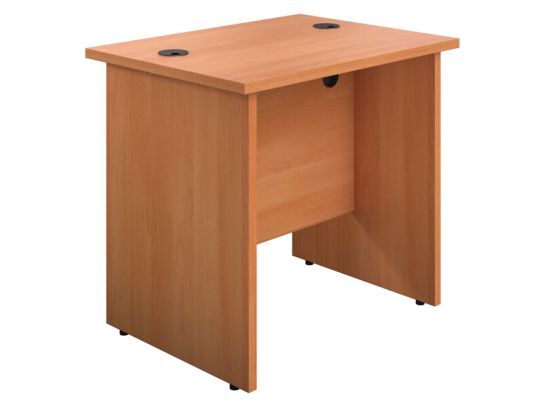
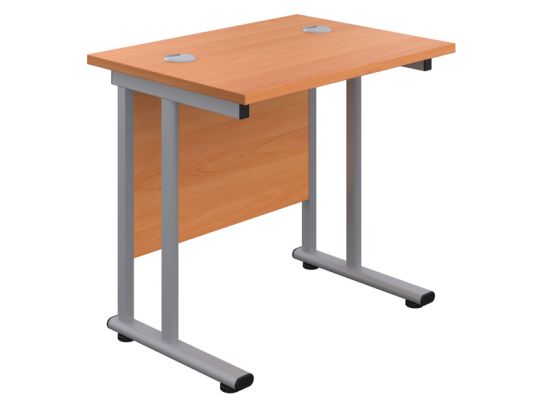
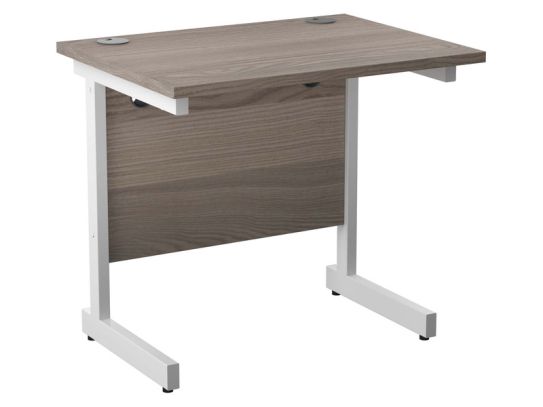
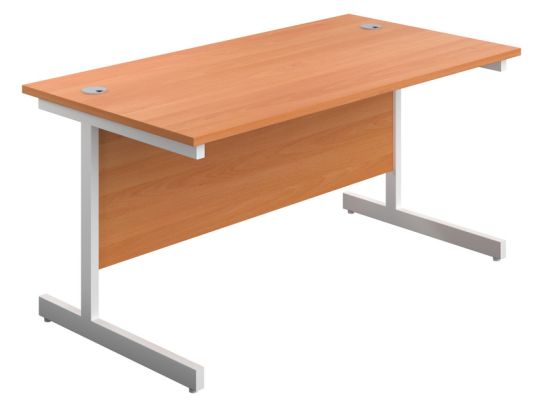
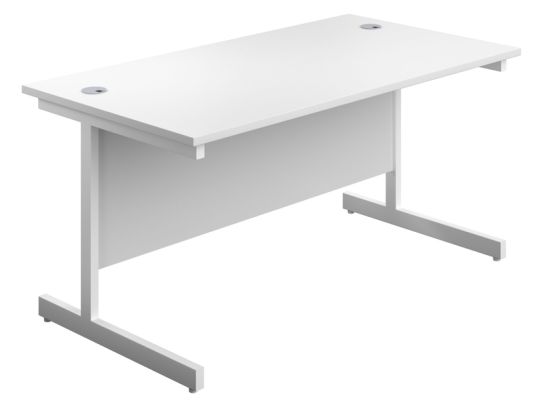
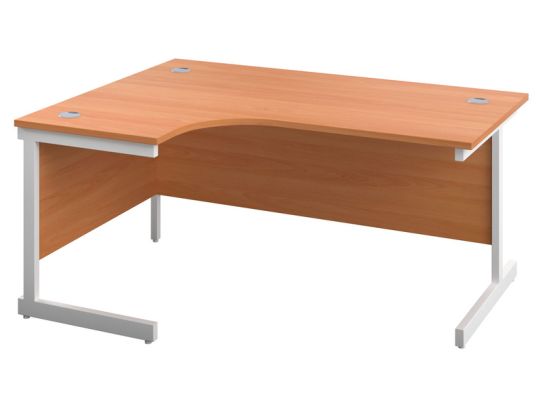
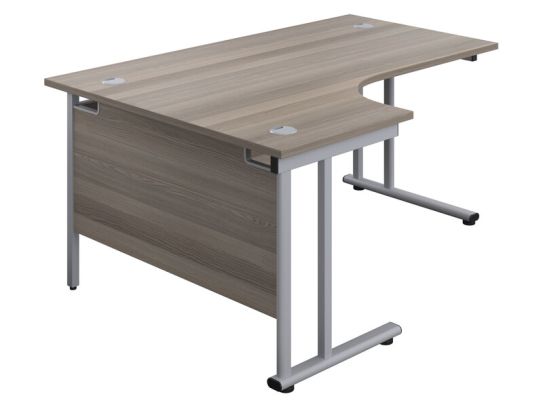
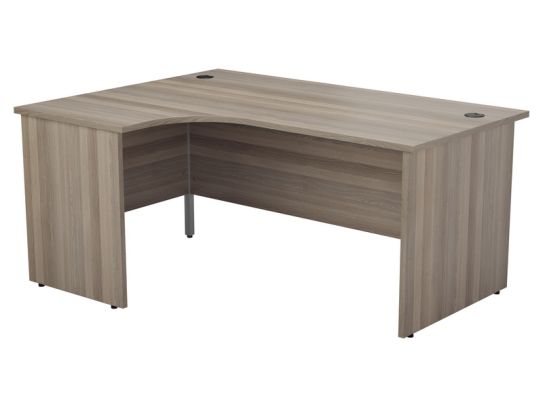
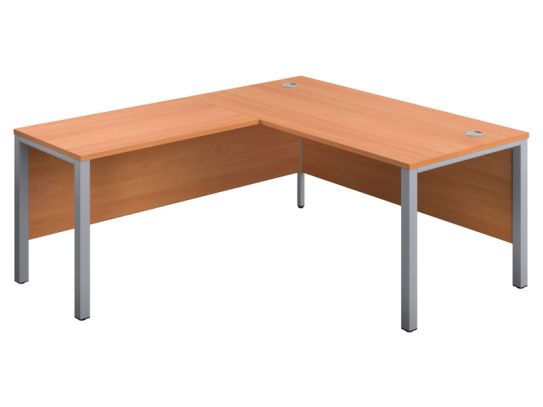
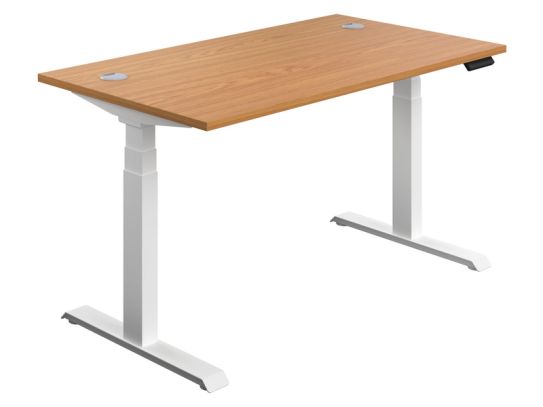
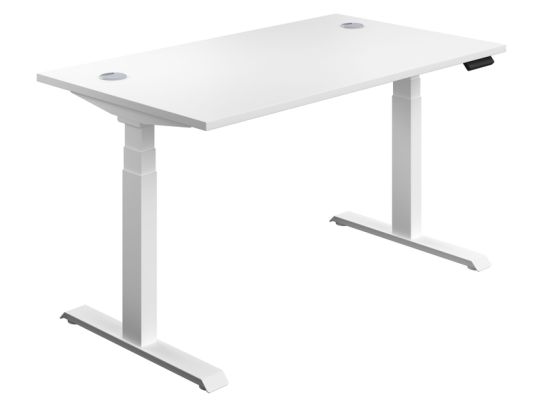
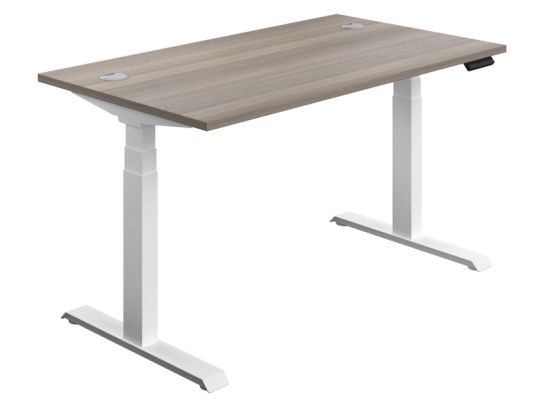
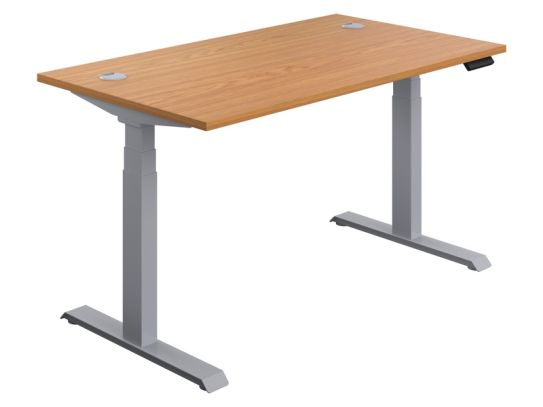
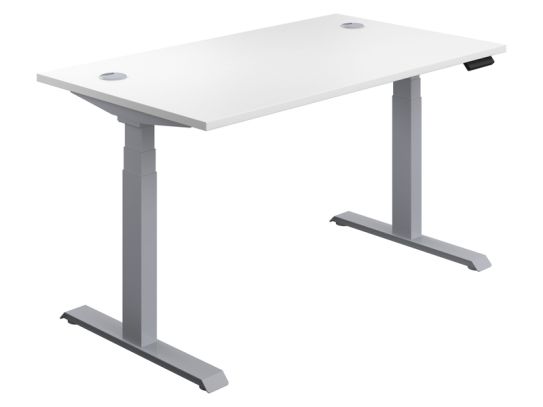
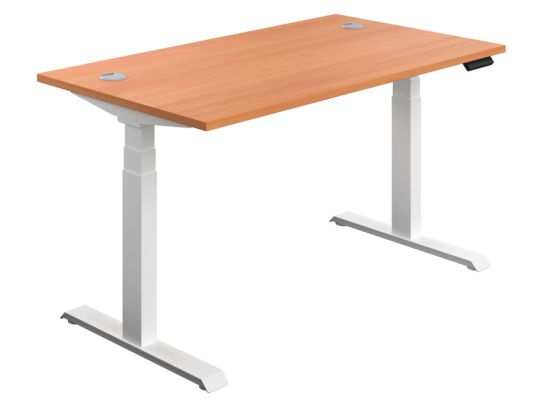
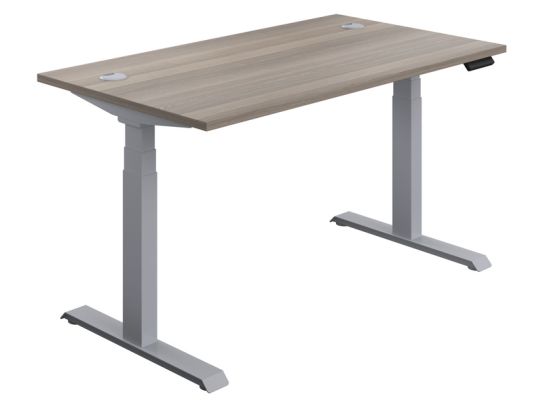
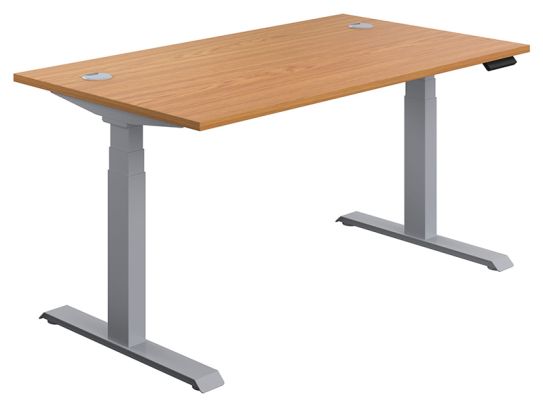
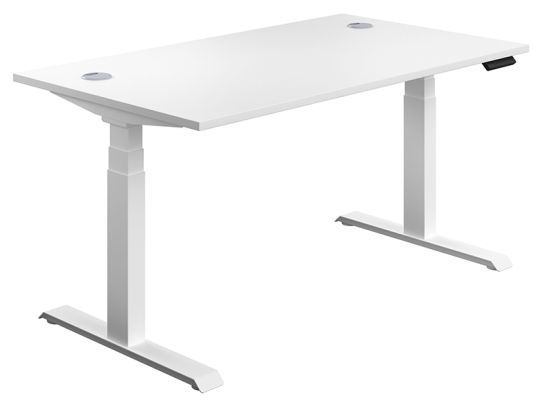
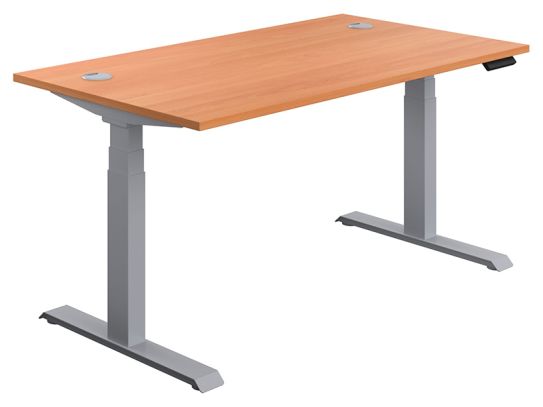
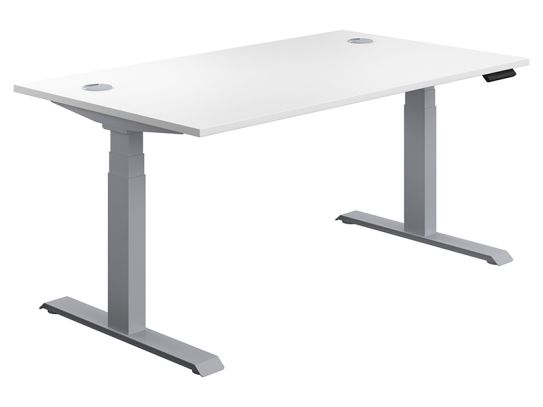
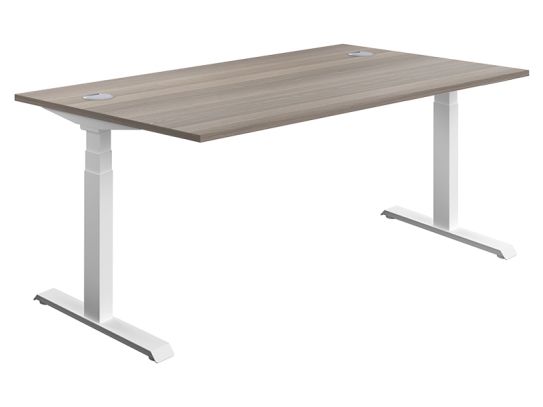
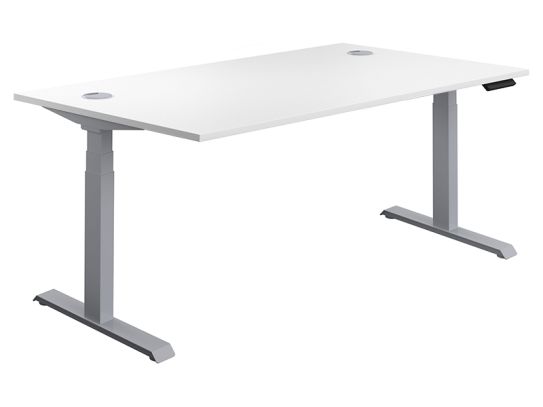
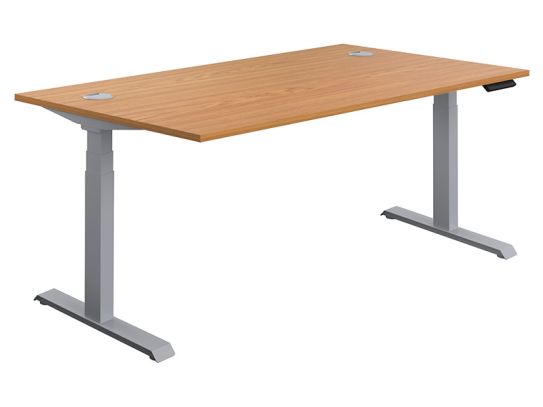
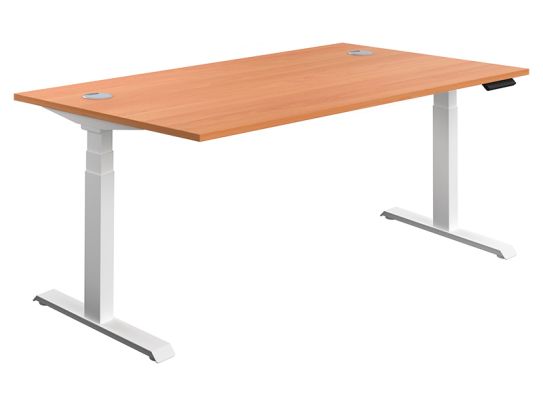
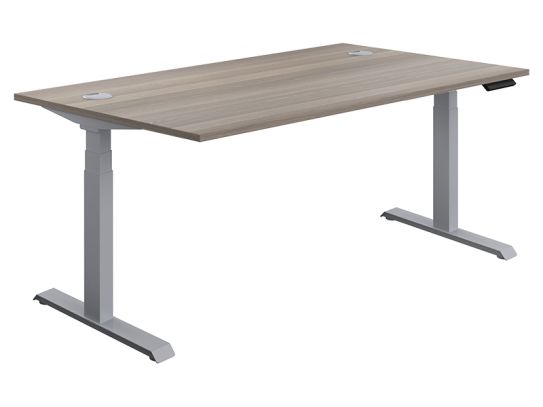
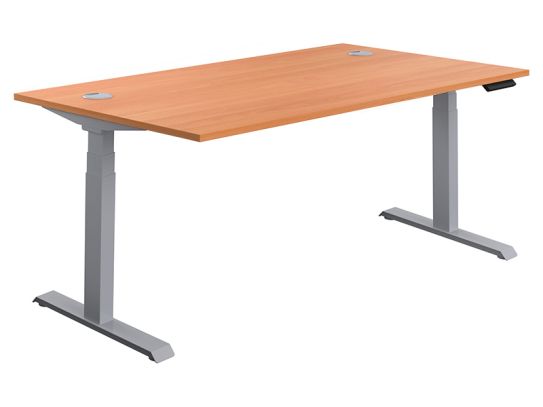
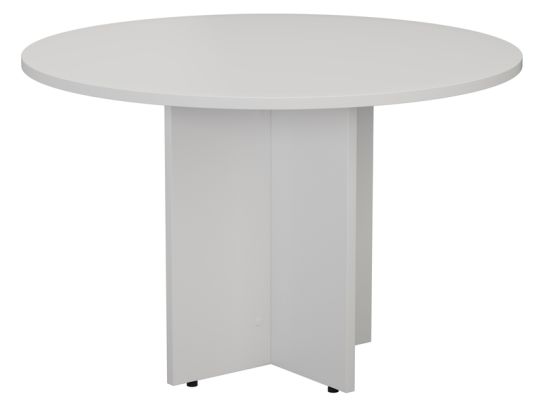
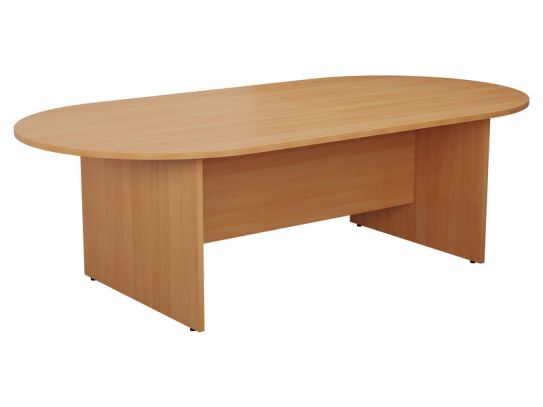
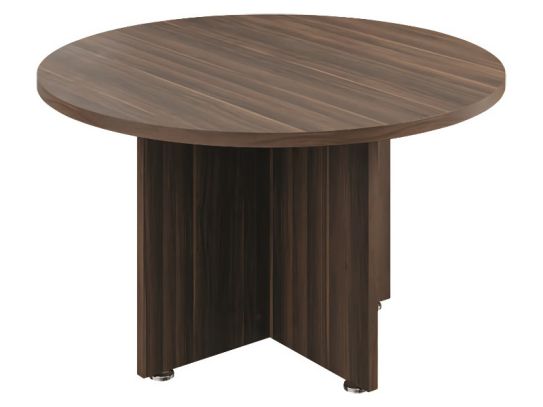
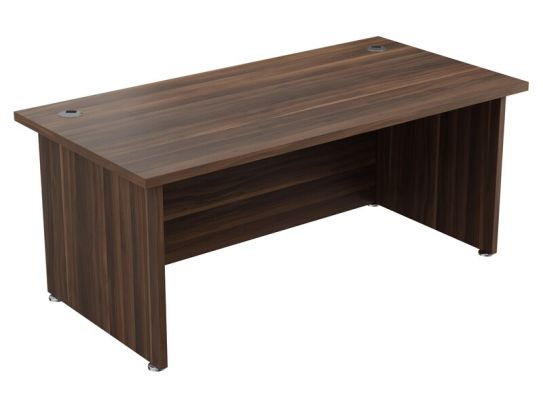
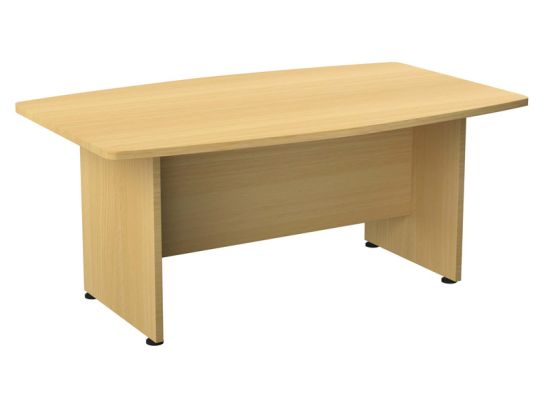
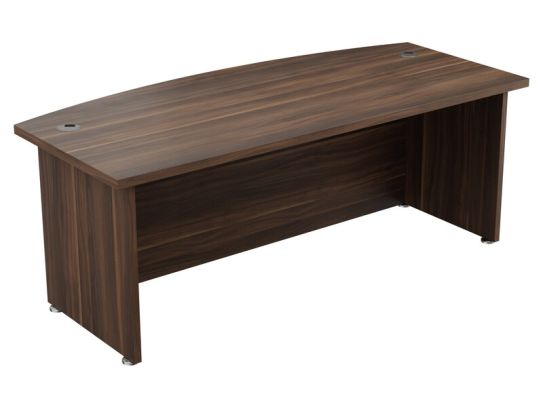
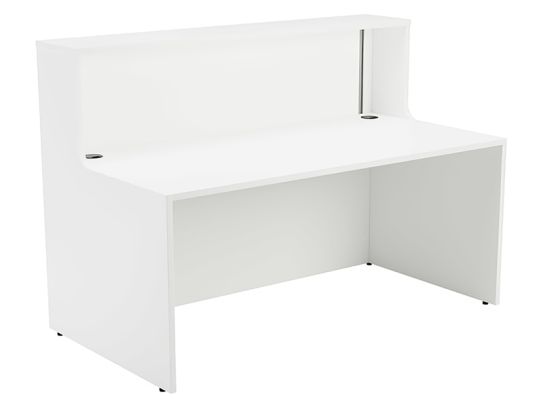
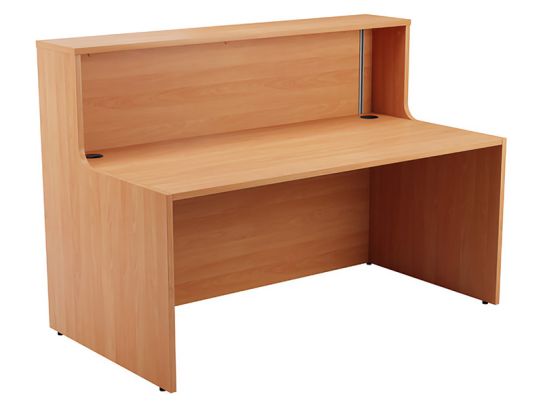
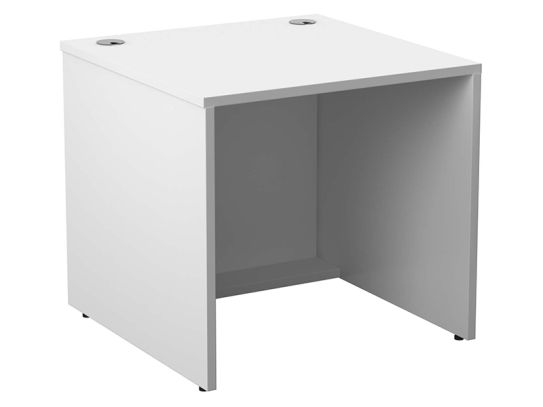
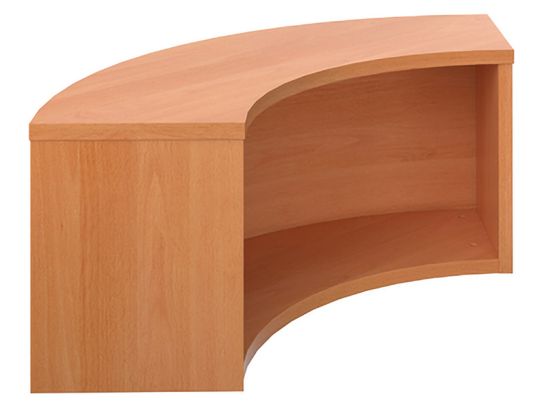
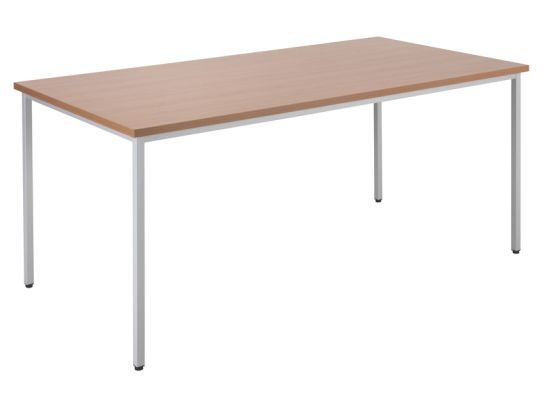
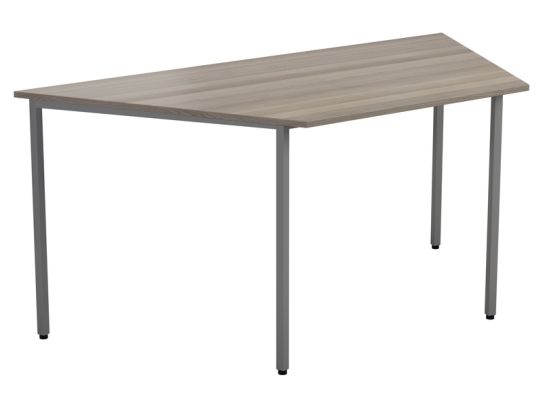
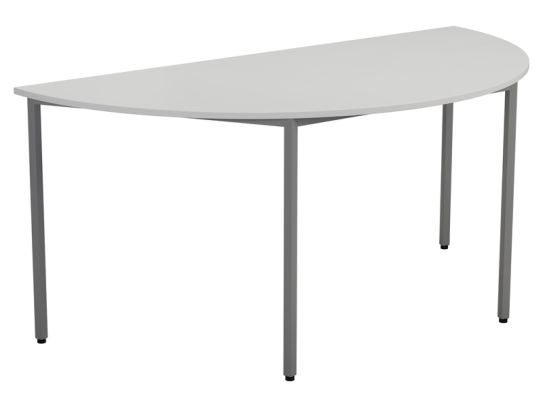
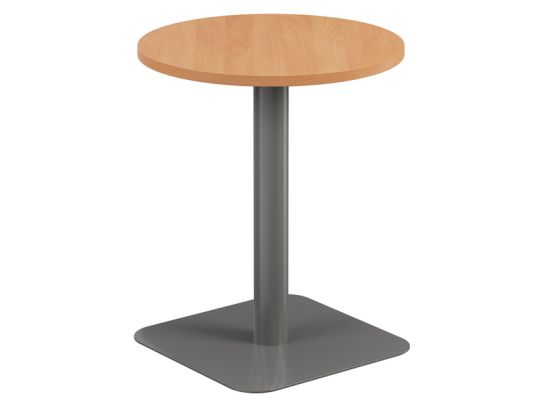
Whether you're fitting out a new office or replacing an ageing setup, choosing the right office desks makes a genuine difference to how your team works day to day. The right desk supports good posture, keeps workspaces organised, and suits the room you're working with, whether that's a large open-plan floor or a compact home office.
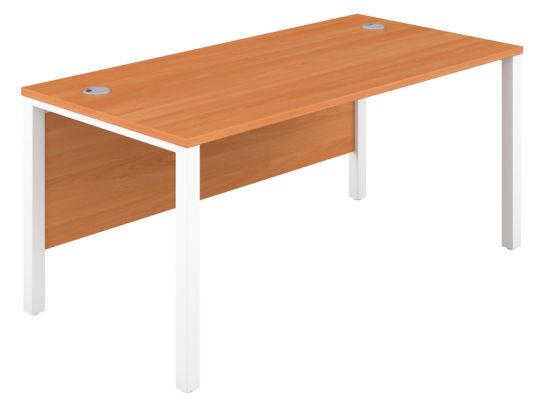
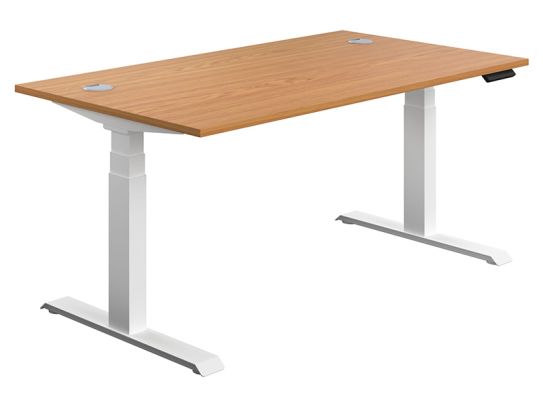
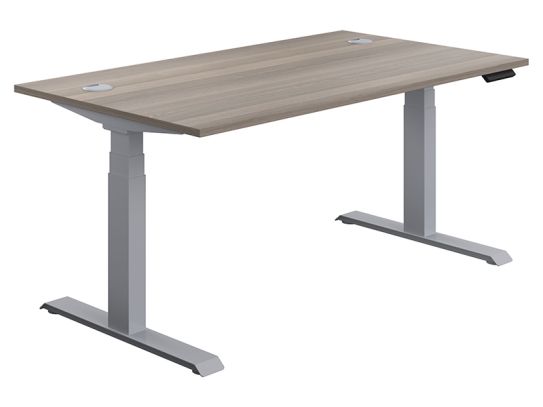
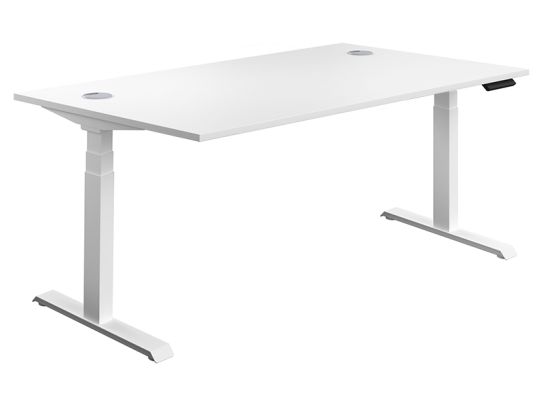
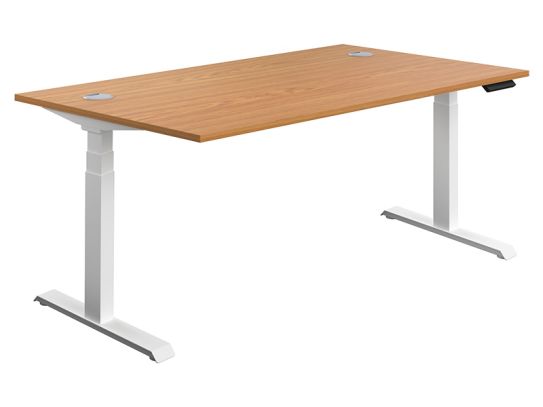
Our range covers straight desks, corner desks, L-shaped desks, and height-adjustable desks in a variety of finishes including oak effect, beech, walnut, white, and black. You'll find options to suit individual workstations, shared offices, and dedicated home office setups.
We stock desks from trusted manufacturers, with free next-day delivery on most orders. Browse the full range below and filter by size, style, or feature to find what you need.
How to Find the Right Desk for Your Home Office or Workplace
Home Office Desks
Setting up a dedicated home office is a common challenge, and it starts with thinking carefully about the space you have and how you use it.
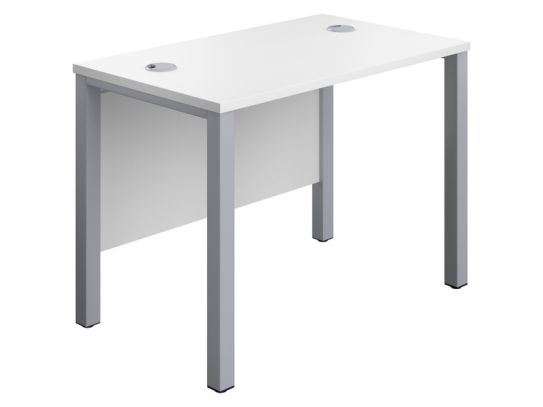
Smaller desks are ideal for cramped or compact rooms, keeping the footprint low without sacrificing functionality.
If your room allows it, a larger desk gives you more workspace and legroom, which makes a real difference on long working days. A good home office desk should feel like a proper workstation, not an afterthought.
Office Furniture That Works for Your Setup
The right office furniture starts with the desk, but it rarely ends there. Think about what you'll need alongside it: storage space, office chairs, and indoor cable protectors & covers all affect how practical your workspace is day to day.
Many of our office desks come with built-in drawers or are designed to pair with pedestal units, so you can build out a complete setup without mixing and matching from different ranges.
Choosing a Computer Desk: Shape and Size
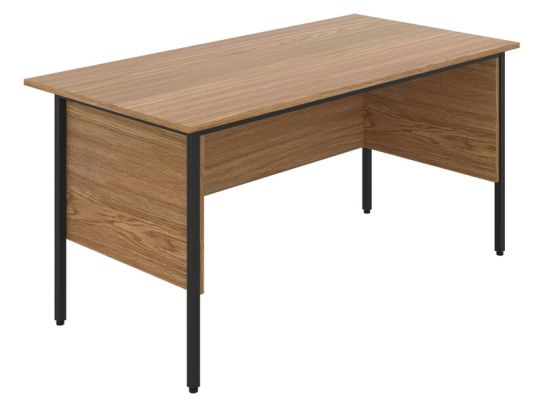
For an office computer desk, shape matters as much as size. Straight desks are space-efficient and work well for a single monitor and keyboard setup.
Corner office desks maximise the use of awkward spaces and give you a natural split between screen time and desk work.
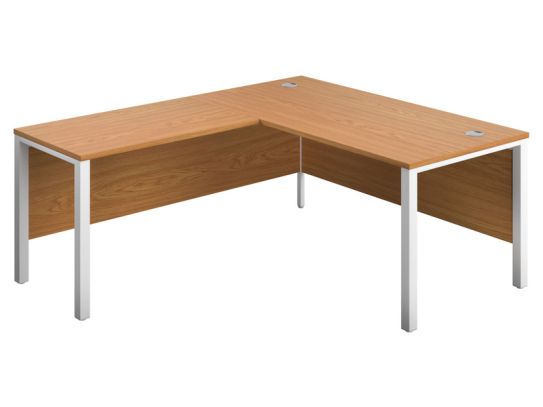
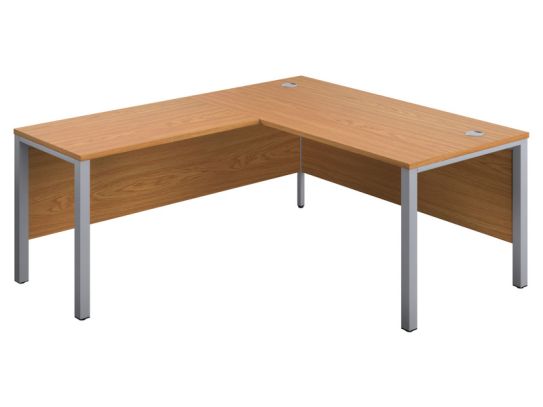
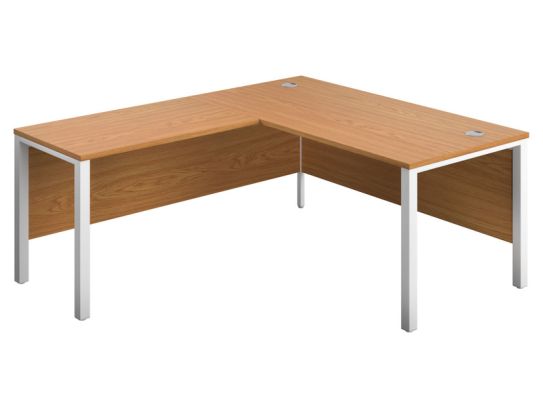
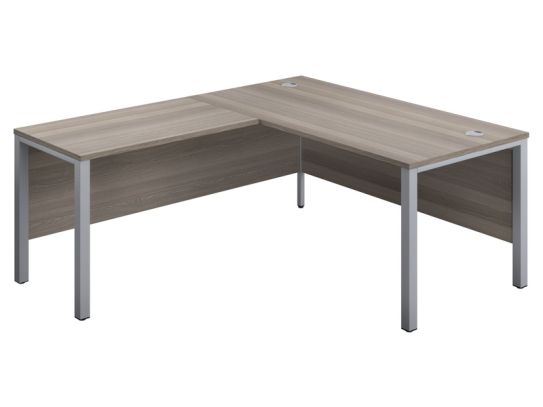
L-shaped desks are a popular choice in both home offices and commercial settings because they maximise corner space, offer generous storage options, and keep everything within easy reach.
Monitors should sit at roughly an arm's length away to avoid neck strain, so make sure the desk depth gives you that clearance.
New Desk: Fixed Height or Height Adjustable?
If you're investing in a new desk, it's worth deciding early whether you want a fixed or adjustable height desk. Standard office desk height sits between 28 and 32 inches, which suits most adults at a seated position.
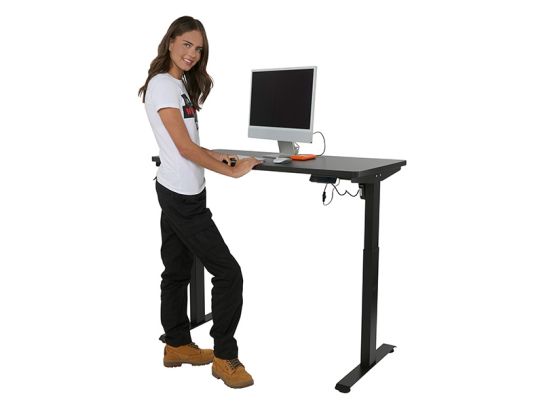
For a properly ergonomic office desk, your elbows should rest at a 90-degree angle when your hands are on the keyboard. Height-adjustable desks, including electric standing desks, let you raise and lower the surface throughout the day.
Switching between sitting and standing every 30 to 60 minutes is recommended for back health and posture, and reduces fatigue over a full working day.
What Are the Key Features to Consider When Choosing Office Desks?
There are a few key things to weigh up when choosing an office desk to make sure it suits your space and the way you work.
Size: Measure your available space before you buy. You need enough room for your monitor, keyboard, and any other equipment, with space to work comfortably around them.
Material: Office desks come in wood, metal, glass, and laminate. Each has different durability and maintenance requirements, so think about how the desk will be used day to day as well as how it needs to look.
Style: From traditional to contemporary, the right style depends on your office environment. Choose a finish that fits the space without standing out for the wrong reasons.
Features: Drawers, shelves, and built-in storage make a real difference to how organised your workspace stays. Think about what you'll be keeping at or near the desk before you decide.
Adjustability: If more than one person will use the desk, or if you want the option to switch between sitting and standing, a height-adjustable model is worth considering.
Budget: Set a budget before you start browsing. A higher-priced desk will often offer better durability and more features, and it's usually a worthwhile investment over the long term.
How Do I Choose the Right Size Office Desk for My Space?
To choose the right size office desk for your space, follow these steps:
Measure the available space in your office where the desk will be placed, including the width, depth, and height of the area.
Consider the size of your computer, monitor, and other equipment that will be placed on or near the desk, and make sure there will be enough room for everything.
Take into account any additional storage or organisation needs, and look for a desk with enough drawers, shelves, or compartments to accommodate these items.
If multiple people will be using the desk, make sure there is enough space for everyone to comfortably sit and work.
Consider the overall design aesthetic of your office, and choose a desk that complements the existing decor and fits in with the overall look and feel of the space.
Keep in mind that you may need to leave some space around the desk for movement and access, so make sure the desk isn't too large for the available space.
If you're unsure about the right size of desk for your space, consider consulting a professional designer or visiting a furniture showroom to see different sizes and styles in person.
Are There Any UK or European Industry Standards or Regulations That Apply to Office Desks?
Yes, there are several UK and European industry standards and regulations that apply to office desks. These standards and regulations are intended to ensure that office desks are safe, functional, and durable, and to provide guidance on the design and manufacturing of office desks. Some of the key standards and regulations that may apply to office desks include:
British Standard BS EN 527-1: This standard applies to office desks and other office furniture, and specifies requirements for the design, construction, stability, and safety of office furniture. The standard covers issues such as the strength and durability of the furniture, the stability of the desk when loaded with equipment, and the safety of any moving parts.
British Standard BS 6396: This standard applies to office desks and other office furniture, and specifies requirements for the ergonomics of office furniture. The standard covers issues such as the dimensions and height of desks, the angle and distance of the desk surface from the user, and the height and design of chair seats.
European Standard EN 12520: This standard applies to office desks and other office furniture, and specifies requirements for the durability and stability of office furniture. The standard covers issues such as the load-bearing capacity of the furniture, the stability of the desk when loaded with equipment, and the durability of the furniture under normal use.
Frequently Asked Questions
What is the standard height of an office desk?
The average office desk height is between 28 and 32 inches (71 to 81 cm). The right height for you depends on your own seated position. Ideally, when you're seated with your feet flat on the floor, your elbows should rest comfortably at a 90-degree angle with your hands on the keyboard. If you're buying for multiple users, a height-adjustable desk removes the guesswork entirely.
Are height-adjustable desks worth it?
Yes, particularly if you spend long stretches at a desk. Electric standing desks let you switch between sitting and standing throughout the day, which reduces fatigue and supports better posture. Health guidance commonly recommends alternating between sitting and standing every 30 to 60 minutes. They're increasingly popular in both home offices and commercial workplaces.
What size desk do I need for a home office?
That depends on your room and your workload. For a laptop-only setup, a smaller desk of around 100 cm wide is usually sufficient. If you're running dual monitors or need space for paperwork and a keyboard, look for something closer to 140 to 160 cm. If you have a corner available, an L-shaped desk is one of the most practical choices for a dedicated home office as it gives you plenty of surface area without pushing into the centre of the room.
What is the best desk material?
It depends on your priorities. Solid wood and high-quality laminate, such as oak effect, beech, or walnut, are the most durable and practical for everyday office use. Steel frames add rigidity and longevity to any desk. Glass tops look stylish but require more maintenance. For a busy workplace, a laminate surface in a mid-tone finish is usually the most sensible choice as it hides minor marks and cleans easily.
Do office desks come with storage?
Many do. A large portion of our range includes built-in drawers or is designed to work with pedestal units and under desk drawer sets. If you need more storage capacity, our filing cabinets, under desk drawers, and office cupboards all pair well with the desk range.